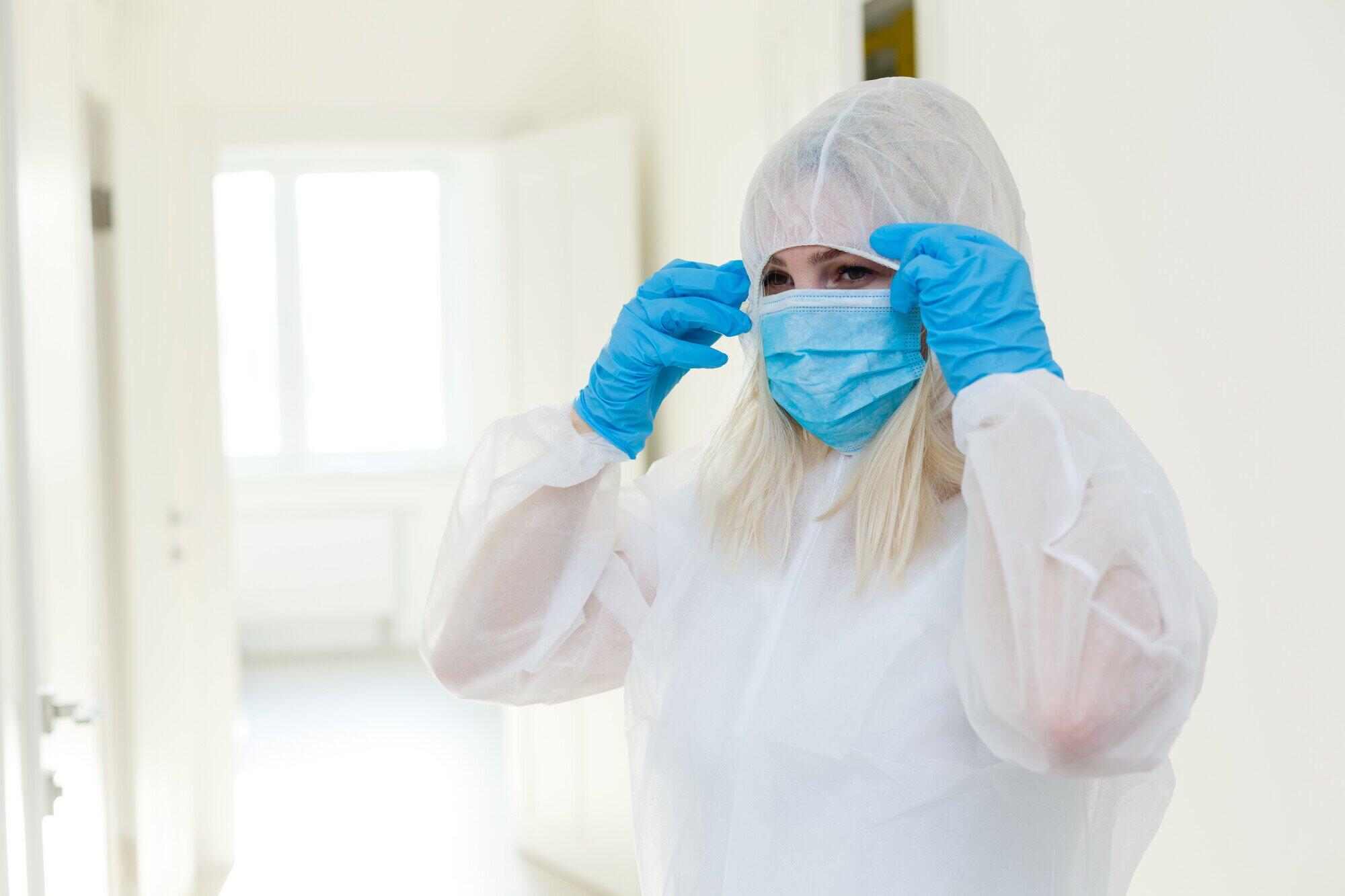
Top Biohazard Risks in Households and How to Address Them
Most people think about locks, smoke alarms, and electrical hazards when they consider home safety. However, biological hazards can also create serious health risks. Mold, blood, bodily fluids, sewage, and dirty floodwater may carry germs or trigger breathing problems.
Some biohazards are easy to see, while others may remain hidden behind walls, under floors, or inside damp rooms. Knowing the warning signs can help homeowners respond early. Safe cleaning methods and regular home care can also reduce the risk of illness.
Recognize Common Household Biohazards
A biohazard is a biological material that may harm people or animals. In homes, these hazards can appear after leaks, injuries, floods, pest problems, or long periods of poor ventilation.
Common household biohazards include:
- Mold growth
- Blood spills
- Bodily fluids
- Sewage backups
- Contaminated water
Each hazard requires a different response. A small patch of surface mold may be easier to manage than mold hidden inside walls. A minor blood spill may be cleaned safely with proper supplies, while a large contaminated area may require professional help.
Prevent and Control Mold Growth
Mold grows in damp places. Bathrooms, basements, kitchens, laundry rooms, and areas near leaking pipes are common problem spots.
Mold may appear as dark, green, white, or fuzzy patches. It can also create a damp or musty smell. Exposure may cause coughing, sneezing, eye irritation, or breathing problems in some people.
To lower the risk of mold, keep indoor humidity under control. Use exhaust fans in bathrooms and kitchens, and open windows when weather allows. Fix roof, pipe, and appliance leaks as soon as possible.
Clean Blood and Bodily Fluids Safely
Blood and other bodily fluids may carry harmful germs. Even a small spill should be handled with care.
Wear disposable gloves before touching the area. Keep children and pets away, and use paper towels or other throwaway materials to remove the spill. Clean the surface with a suitable disinfectant and follow the product instructions.
Do not mix cleaning chemicals because this may create dangerous fumes. Place used gloves, towels, and other waste in a sealed bag before disposal. Some situations should not be handled through normal household cleaning. Large spills, unknown fluids, or areas linked to violence or death may require professional crime scene cleanup to reduce exposure and clean the space correctly.
Address Floodwater and Sewage Quickly
Water damage can create several biohazard risks. Clean water from a small pipe leak may become unsafe if it sits for too long. Floodwater may contain sewage, chemicals, dirt, or waste.
Avoid walking through dirty water without protective clothing. Turn off electricity in affected areas only when it is safe to do so. Keep food, toys, and personal items away from the water.
Sewage backups need fast attention because they may carry bacteria and viruses. Porous materials such as carpet, mattresses, and drywall may need to be removed if they become heavily contaminated.
Conclusion:Build a Safer and Healthier Home
Household biohazards can affect health, but early action can reduce the danger. Watch for leaks, mold, unusual smells, sewage problems, and contaminated spills. Keep cleaning supplies, gloves, and sealed waste bags available for small emergencies.
Do not enter an area when you are unsure about the level of risk. Large spills, severe water damage, and dangerous contamination should be handled by trained professionals.