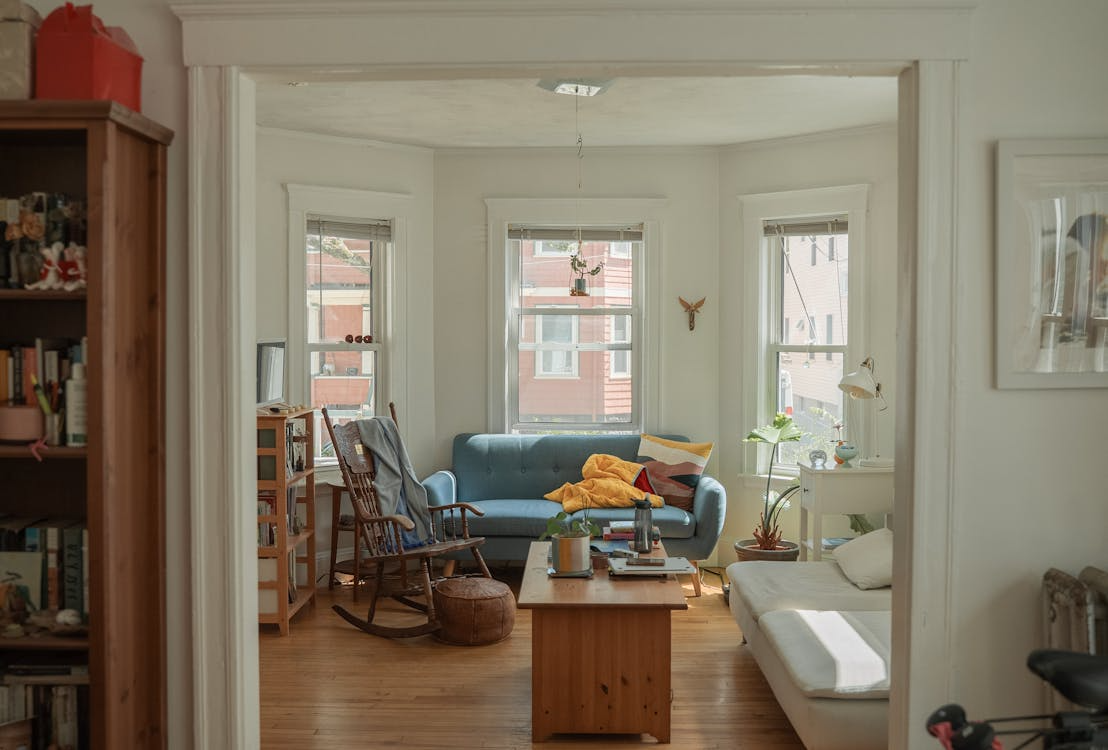
Breaking Down the Meaning of “Cohesive Design” Room by Room
Home décor is confusing. And one of the most misunderstood concepts is cohesive design.
Homeowners assume cohesive design means matching everything to a “T.” Same colours. Same materials. Same theme or vibe throughout your ENTIRE home. But that’s NOT a cohesive design.
True cohesive design means decorating each room to flow together visually while giving each room its own unique style.
Here’s what you should know…
When implemented correctly, cohesive design can help your home:
- Feel larger and more “put together.”
- Feel calm and collected.
- Increase in value.
And it’s actually really simple to do.
Ready to dive in?
What you’ll learn:
- What does “Cohesive Design” really mean?
- How to create flow from room to room
- How Farmhouse Style Rugs tie it all together
- Room-By-Room breakdown to master cohesive design
What Does “Cohesive Design” Actually Mean?
Cohesive design means you decorate your home so that every room feels connected.
But that doesn’t mean every room should look the same. That would be pretty boring.
Instead, there are subtle ties throughout your home that connect each room. Whether it’s through colour, texture, material or pattern.
Cohesive design strings your home together like a story.
The living room is one chapter. The kitchen is another. They’re different rooms with different purposes. But the decor elements that trickle from one room to the next are what make your home feel cohesive.
Farmhouse style rugs are insanely popular right now and for good reason.
They work hard and they work well in almost every room. The global carpets and rugs market hit $64.19 billion in 2025, and farmhouse style rugs are a huge part of that growth. But before jumping into rugs, let’s focus on the basics of cohesive design.
One of the easiest ways to create connection between rooms is with area rugs.
Think of your rug as an anchor piece. It helps define the room and create a relationship with the room before it and after it when chosen correctly.
Simple concept, right?
Ok, let’s dig deeper…
How To Create Flow From Room To Room
First off, you don’t need to be an expert at design to achieve flow throughout your home. You just need a simple plan.
That plan starts with identifying 3-5 repeat elements you want to bring into every room of your home.
Repeat elements include:
- A colour palette: Pick 3-5 colours you love and use different shades of those colours in each room of your house.
- A texture theme: Do you love farmhouse style rugs? Bring wood, jute and linen textures into other areas of your home.
- Consistent flooring: Speaking of rugs…. using coordinating farmhouse style rugs or rugs with complementary patterns and textures is an easy way to create connection.
It’s tempting to look at each room individually and decorate however you want. But that’s not how cohesive design works.
If you want your home to feel intentional and “put together,” start with your overarching theme and then tweak for each room.
Here’s how that breaks down room by room.
A Room-By-Room Breakdown To Nail Cohesive Design
Alright, let’s breakdown cohesive design by room.
Here are tips for each individual room and how to use farmhouse style rugs to connect everything.
Let’s start in the living room.
Living Room
Your living room should set the tone for your entire home. So start big here.
This is where you should place your largest rug. You can refer back to your overall colour scheme and texture theme for inspiration.
Once you know what kind of rug you’re looking for, place it in the middle of your living room and start decorating around it.
Couches, cushions, curtains, décor…. everything else in the room should make your rug look good.
You start here because the living room tends to be the “hub” of your home. It’s usually where you spend most of your time when you’re inside. And when guests come over, it’s typically the first room they see when they walk through your front door.
You want to make a statement. Start in the living room and everything else will feel easier.
Pro Tips for The Living Room
- Purchase a rug big enough to fit under the front legs of your furniture
- Follow your colour scheme
- Incorporate your favourite textures through throw blankets, cushions and naturally textured materials
Dining Room
Once you’ve nailed the living room, move on to the dining room. And by “nail” we mean place your oversized rug in the centre of the room.
Your dining room rug doesn’t have to be the exact same style as your living room rug.
But it should complement it.
For example, you can keep the same neutral farmhouse style palette and weave patterns but switch up the texture.
Another great tip is making sure your dining rug is large enough for your chairs to sit on even when they’re pulled out. It’s a common mistake; shopping for a rug too small for your table.
The residential segment accounts for over 60% of carpet and rug purchases, which shows just how much homeowners value these pieces in their overall design strategy.
Dining rooms don’t typically have quite as much traffic as your living room. Which means you can be a little more bold with your design choices.
Bedroom
Your bedroom is a chance to play around with your design a little.
Don’t get crazy. You’re not breaking the laws of cohesive design if you stick to your original colour palette. But, you can have some fun here.
Bedrooms are typically more private than the rest of your house. Which means you can take more risks with colour and texture.
Stick with your farmhouse style rug idea and layer your rug at the foot of your bed or underneath. That’ll help tie it back to the rest of your home.
One great trick is carrying bedroom colours throughout the rest of your home as accent colours.
Here’s what that could look like:
You’ve decorated your living room and dining room with neutral, toned-down colours. Add a pop of your bedroom colour as an accent wall in your dining room.
It looks like a completely different colour but it’s actually the same! That little detail ties your bedroom to your dining room.
Hallway & Entryway
Hallways and entryways are often overlooked. Don’t make this mistake!
Your hallway and entryway are TRANSITIONS between rooms. So you want your guests and your family to flow through them.
A nice, solid rug that complements your other rooms does just that.
Look for a rug with similar undertones as the rest of your home.
Bonus points if you can find a runner with a complementary pattern.
Keep it simple otherwise you’ll be taken away from your rooms.
Home Office
The home office has become one of the most popular rooms to think about when decorating.
Whether you telecommute a few days a week or every day, your home office should look and feel like a part of your home.
Stick with your rug strategy. Find a rug that will fit the dimensions of your home office and pull from colours that you’ve already used.
You can usually get away with larger patterns in your home office.
Why?
Because chances are there’s only going to be one piece of furniture on that rug. So it doesn’t need to tie into other furniture like your sofas do in your living room.
Take the same colour palette and textures you’ve used throughout your home and sprinkle them into your office.
A large farmhouse style rug is perfect for this!
Wrapping Things Up
Creating cohesion throughout your home doesn’t mean everything needs to match perfectly.
It means picking a few elements you love and repeating them throughout your home. Whether it’s a colour scheme, texture or flooring; there should be something that naturally pulls your home together.
Here’s your cheat sheet:
- Room over tone. Start with your living room and work from there.
- Choose 3-5 repeat elements for your entire home.
- Use rugs to anchor each room and create connections.
- Don’t forget about transition rooms like your hallway and entryway.
- Let each room have personality, just not too much.
Your home will feel more put together when each room has elements that tie back to another room.
They don’t have to be exact. But they should give your guests (and you) something to remember when they walk from room to room.
Home shouldn’t be confused. Cohesive design takes care of that for you.