Polygraph Test Questions: What You Can Expect During the Exam
A Polygraph Test can feel intimidating, especially if you do not know what kind of questions will be asked. For many people, the uncertainty surrounding the exam creates more anxiety than the test itself. Movies and television often portray polygraph examinations as dramatic interrogations filled with surprise questions and intense pressure. In reality, a professional polygraph exam is far more structured and methodical. The questions are carefully prepared, reviewed in advance, and designed to measure physiological responses rather than simply catching someone off guard.
Understanding what happens during a Polygraph Test can help reduce stress and make the experience less overwhelming. Whether the exam is related to employment screening, legal investigations, personal disputes, or security clearance, knowing the question types and testing process allows you to walk in with realistic expectations. This article explains the kinds of polygraph test questions commonly used, why they are asked, and what you can expect during each stage of the exam.
What Is a Polygraph Test?
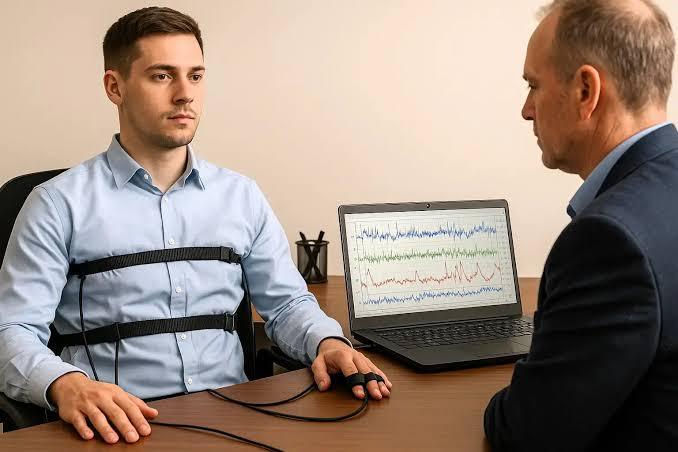
A Polygraph Test, often called a lie detector test, is an examination that records physiological responses while a person answers questions. During the test, sensors monitor changes in breathing, heart rate, blood pressure, and skin conductivity. The theory behind the test is that deceptive answers may trigger noticeable physiological changes compared with truthful responses.
Although polygraphs are widely used in certain professional and investigative settings, they do not directly detect lies. Instead, they measure bodily reactions that examiners interpret using standardized testing methods. This distinction is important because emotional responses such as stress, fear, embarrassment, or confusion can also influence readings. As a result, the polygraph serves as an investigative tool rather than absolute proof of truth or deception.
Why Questions Matter in a Polygraph Exam
Questions are the foundation of every Polygraph Test. The quality, clarity, and structure of those questions significantly affect the accuracy of the results. Poorly worded or confusing questions can produce misleading physiological responses, making careful question design essential.
Professional examiners typically create short, direct questions that require simple answers such as “yes” or “no.” Complex or vague questions are avoided because they can create mental confusion rather than genuine emotional responses. Every question is designed to serve a specific purpose, whether establishing a baseline, creating comparison responses, or addressing the main issue under investigation.
This is why polygraph examiners spend a substantial amount of time preparing the question set before the actual testing begins.
The Pre-Test Interview
Before the machine is even attached, the examiner conducts a pre-test interview. This stage is often the longest part of the entire Polygraph Test, sometimes lasting longer than the recorded testing phase itself.
During this interview, the examiner explains how the polygraph works and reviews your background related to the case or purpose of the exam. You may be asked about your medical condition, medications, sleep quality, or emotional state, as these factors can influence physiological responses.
Most importantly, the examiner reviews every question that will be asked during the recorded exam. Contrary to popular belief, professional polygraph testing does not rely on surprise questions. You will generally know the wording and meaning of each question beforehand. This allows clarification if any question seems confusing or too broad.
The Main Types of Polygraph Test Questions
Most Polygraph Test examinations include three major categories of questions. Each type serves a different purpose in helping examiners interpret physiological reactions.
Irrelevant Questions
Irrelevant questions are simple, neutral questions with obvious answers. These questions are not related to the investigation or issue being examined.
Examples include:
- Is today Friday?
- Are you sitting down?
- Is your first name John?
These questions help establish a baseline by showing how your body responds when answering straightforward, truthful questions. Because the answers are obvious, these questions are generally not scored.
Control Questions
Control questions, also called comparison questions, are designed to create measurable emotional responses. These questions often relate to common behaviors that many people may have done at some point.
Examples include:
- Have you ever lied to avoid trouble?
- Have you ever broken a rule and hidden it?
- Have you ever taken something that did not belong to you?
The examiner expects many people to feel some level of discomfort when answering these questions. Responses to control questions are compared with responses to relevant questions to help interpret results.
Relevant Questions
Relevant questions directly address the issue under investigation. These are the most important questions in the Polygraph Test.
Examples include:
- Did you steal the missing money?
- Did you intentionally provide false information?
- Did you share confidential information with anyone?
These questions are carefully narrowed to specific events, timeframes, and actions to reduce ambiguity.
Common Questions You May Hear During the Exam
The exact questions asked during a Polygraph Test depend on why the exam is being conducted. However, several categories commonly appear across many tests.
Identity and Background Questions
These verify personal details and establish consistency in basic facts.
Examples:
- Is your name Michael?
- Were you born in 1992?
- Do you currently live in this city?
Employment Screening Questions
These may be used during hiring or security clearance investigations.
Examples:
- Have you ever lied on a job application?
- Have you ever stolen from an employer?
- Have you concealed disciplinary actions?
Criminal Investigation Questions
These focus on a specific alleged incident.
Examples:
- Did you enter the building on that night?
- Did you take the missing item?
- Did you physically harm that person?
Personal Integrity Questions
These evaluate honesty and trustworthiness.
Examples:
- Have you deliberately hidden important information?
- Are you withholding relevant details?
- Have you knowingly provided false statements?
How Questions Are Asked During the Actual Exam
Once the pre-test interview is complete, the examiner attaches the polygraph sensors. During the recorded portion, the examiner asks the prepared questions in a calm, consistent manner.
Questions are usually repeated multiple times across several testing rounds. This repetition helps verify whether physiological reactions remain consistent rather than occurring randomly.
You are generally expected to answer only with “yes” or “no.” Long explanations are discouraged during the recorded phase because extra speech can interfere with readings. If clarification is needed, it usually happens between testing rounds.
Remaining still is also important. Excessive movement, deep sighs, or physical adjustments can affect sensor readings and complicate analysis.
Can You Refuse Certain Questions?
In many situations, examinees have the right to refuse questions they consider inappropriate, unclear, or unrelated. Ethical polygraph testing requires questions to remain relevant to the purpose of the examination.
Questions unrelated to the investigation or intended merely to embarrass the examinee are generally considered improper. If you feel uncomfortable with a question, concerns should ideally be raised during the pre-test interview when question wording is being finalized.
Refusing to answer may sometimes lead to incomplete testing or termination of the examination, depending on the circumstances.
Common Misconceptions About Polygraph Questions
Many myths surround Polygraph Test questions, creating unnecessary fear.
One common myth is that examiners rely heavily on trick questions. In reality, professional examiners usually avoid surprise questioning because consistent and predictable conditions produce more reliable readings.
Another myth is that nervousness automatically causes failure. Nervousness is normal, and trained examiners expect most people to feel anxious during testing. The analysis focuses more on comparative reactions than general stress.
A third misconception is that the machine itself determines truth or deception. In reality, the machine only records physiological data. Human examiners interpret that data using established methods.
Tips for Preparing for Polygraph Test Questions
Preparation can help reduce anxiety before a Polygraph Test.
First, get adequate rest before the exam. Fatigue can affect concentration and physiological stability. Second, listen carefully to each question and ensure you understand it fully before answering. If something feels unclear, ask for clarification during the pre-test discussion.
It is also helpful to stay calm and avoid overthinking each question. Many people create unnecessary stress by worrying about how their body may react. Focusing on listening and responding clearly can help you remain more composed.
Consistency matters as well. Your verbal answers during the test should align with the information you provided earlier.
What Happens After the Test?
After the recorded questioning ends, the examiner reviews the collected physiological data. Depending on the testing method, scoring may involve computerized analysis, manual chart review, or both.
In some cases, the examiner may discuss certain responses immediately and ask follow-up questions. In other situations, results are reviewed later before a final report is prepared.
Possible outcomes generally include indications of truthfulness, indications of deception, or inconclusive results. An inconclusive result means the data did not provide enough reliable evidence for a clear interpretation.
Conclusion
Facing a Polygraph Test becomes less intimidating when you understand what happens during the exam. Most polygraph questions fall into clear categories: irrelevant questions, control questions, and relevant questions. Each type serves a specific purpose in helping examiners evaluate physiological responses.
Rather than relying on surprise tactics, modern polygraph exams emphasize preparation, clear wording, and repeated questioning under controlled conditions. By knowing what kinds of questions to expect and how the process works, you can approach the exam with greater confidence and less uncertainty. Understanding the structure of a Polygraph Test is often the best way to reduce fear and improve readiness.