Essential Components for Keeping Work Trucks Road-Ready
For a work truck, maintenance problems affect more than the repair budget. An unexpected breakdown can disrupt routes, delay jobs, tie up drivers, and force another vehicle to absorb the workload.
Keeping trucks road-ready therefore depends on two things working together: maintaining the components that take the most punishment and making sure replacement parts are available when wear or failure is identified. A practical maintenance program focuses on condition, duty cycle, manufacturer service intervals, and what technicians and drivers are actually seeing in the field.
Prioritize Components That Can Put a Truck Out of Service
Some truck components deserve closer attention simply because a failure can stop the vehicle from completing its job.
Brakes, tires, cooling systems, belts, batteries, filters, steering, suspension, and drivetrain components should all be included in a preventive inspection program appropriate for the truck’s application.
The cost of overlooking those systems can escalate quickly. In one demanding refuse-truck operation, average annual breakdown costs exceeded $5,000 per truck, while roadside repairs could cost as much as four times shop-based maintenance.
That example comes from an especially severe duty cycle, but the operational lesson applies more broadly: detecting wear while a truck is already scheduled for service is preferable to discovering the same problem on a route.
Make Parts Availability Part of the Maintenance Plan
Finding a worn component during an inspection only helps if the repair can be completed without an unnecessary wait for parts.
Fleets should know which filters, belts, brake components, lighting products, electrical parts, hoses, and other frequently replaced items are worth keeping in stock. Less frequently used components can be sourced as required, but availability and lead times should be understood before an emergency occurs.
Working with a dependable truck parts supplier can also make it easier to source OEM and aftermarket options, confirm part compatibility, understand warranty coverage, and arrange pickup or delivery when a vehicle needs to return to service.
For mixed fleets, make sure the supplier can support the makes, models, engines, and configurations you actually operate rather than assuming one parts source will cover everything.
Keep the Engine and Cooling System Under Control
Engines depend on clean lubrication, proper filtration, stable operating temperatures, and an unrestricted supply of fuel and air. Problems in any of those areas can create secondary damage if they are allowed to continue.
Maintenance teams should inspect oil and coolant levels, filters, belts, hoses, connections, and visible signs of leakage according to the manufacturer’s recommendations. Unexplained fluid loss, rising operating temperatures, unusual exhaust, or changes in engine performance deserve investigation rather than another interval of operation.
Cooling-system condition is particularly important for trucks working under heavy loads, extended idle periods, or high ambient temperatures. A minor leak or deteriorating hose is easier to address in the shop than after an overheating event on the road.
Give Brakes and Tires Frequent Attention
Braking and tire condition directly affect whether a truck can operate safely and reliably.
Brake inspections should consider more than pad or lining thickness. Technicians may also need to evaluate rotors or drums, hoses, chambers, air-system components, ABS equipment, and other parts appropriate to the vehicle.
Drivers can help by reporting changes in stopping behavior, pulling, vibration, warning lights, or unusual sounds as soon as they notice them.
Tires require the same discipline. Check inflation pressure, tread condition, sidewalls, valve components, and unusual wear patterns. Uneven wear may point to alignment, suspension, or inflation problems rather than being only a tire issue.
Load requirements matter too. Tire selection and inflation should match the truck’s specifications and operating conditions rather than relying on a one-size-fits-all fleet rule.
Inspect Steering and Suspension Before Handling Changes Become Severe
Steering and suspension components operate under repeated load, vibration, impact, and changing road conditions. Worn shocks, bushings, springs, steering joints, and related hardware can affect handling and accelerate wear elsewhere.
Drivers often notice these problems first. A truck that begins wandering, pulling, bouncing excessively, or handling differently under load should be evaluated.
Inspection frequency should reflect duty cycle. A lightly loaded highway truck and a vocational vehicle working on rough job sites do not place the same demands on suspension components, even when their mileage is similar.
read more : Managed IT Services in the Tri-State Area for Modern Businesses
Use Telematics to Find Problems Earlier
Mileage-based maintenance schedules remain useful, but connected vehicles can provide another layer of information.
Modern telematics can collect location, mileage, idling, fuel-use, and engine-diagnostic information, while connected-vehicle data can also support predictive fleet maintenance by helping teams identify developing problems before they become unplanned stops.
The technology is most valuable when alerts lead to action. A dashboard that produces hundreds of notifications without a clear workflow for reviewing, prioritizing, and resolving them simply creates more administrative work.
Start with the problems that matter most to the fleet, such as missed service intervals, recurring fault codes, excessive idling, or vehicles with repeated repair histories.
Build Preventive Maintenance Around Actual Duty Cycles
A generic schedule is a starting point, not a substitute for the manufacturer’s recommendations or operating experience.
A truck that handles short routes with frequent stops may wear brakes differently from one running long highway distances. Construction, refuse, utility, towing, and delivery applications each create their own maintenance demands.
Use mileage, engine hours, operating conditions, inspection findings, and maintenance history to refine service intervals. When the same component repeatedly fails early across similar vehicles, investigate the cause rather than simply replacing the part each time.
Maintenance records make these patterns easier to identify.
read more : Managed IT Services in the Tri-State Area for Modern Businesses
Train Drivers to Report Small Problems Early
Drivers spend more time with fleet vehicles than anyone else, which makes their observations valuable.
Training does not need to turn drivers into technicians. They should know how to identify and report obvious warning signs: fluid leaks, tire damage, unusual noises, braking changes, warning lights, steering problems, visible damage, or abnormal temperatures.
Make reporting simple. A digital inspection form or standardized checklist is more useful than expecting drivers to remember concerns until the end of a shift.
Maintenance teams should also close the loop. When drivers see that reported issues are reviewed and addressed, they have more reason to take inspections seriously.
Prepare for Breakdowns That Preventive Maintenance Cannot Eliminate
Even a well-maintained fleet can experience unexpected failures. Emergency planning determines how disruptive those failures become.
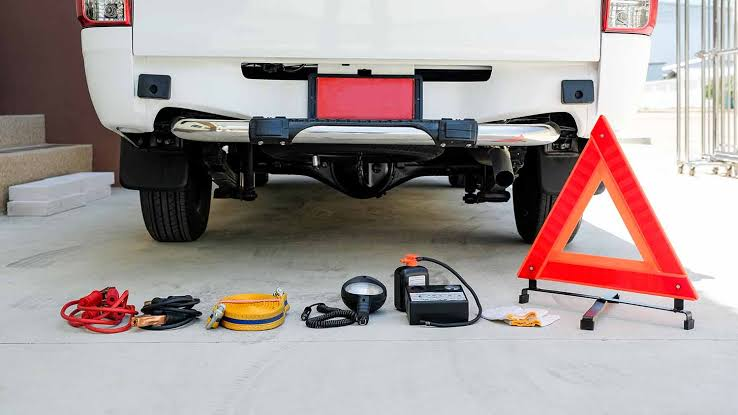
Each truck should carry the safety and emergency equipment appropriate for its work, operating region, and company procedures. Fleet managers should also maintain current contacts for roadside service, towing, maintenance facilities, and parts support.
For critical components, understand normal lead times and after-hours sourcing options before a failure occurs. If a specialized truck uses a difficult-to-source part that can immobilize the vehicle, keeping a spare may be cheaper than accepting several days of downtime.
Frequently Asked Questions About Work Truck Maintenance
How often should work trucks be inspected?
Inspection frequency should reflect manufacturer requirements, mileage, engine hours, operating environment, load, and duty cycle. High-use vocational trucks may need attention more frequently than vehicles operating mostly on highways. Daily or pre-trip checks can complement more detailed scheduled maintenance inspections.
Which truck parts should fleets keep in stock?
Prioritize frequently consumed or operationally critical parts with predictable demand. Filters, bulbs, fuses, certain belts, hoses, and commonly replaced brake components may justify on-hand inventory. Expensive or rarely used assemblies are often better managed through reliable supplier availability and known lead times.
Are OEM parts always better than aftermarket truck parts?
Not necessarily. The appropriate choice depends on the component, manufacturer specifications, warranty requirements, application, supplier, and quality of the aftermarket product. Compare specifications and coverage rather than assuming that either OEM or aftermarket automatically represents the best choice in every situation.
Final Thoughts
Keeping work trucks road-ready is less about reacting quickly to breakdowns and more about preventing avoidable ones. Engine systems, brakes, tires, steering, suspension, electrical components, and other wear items all require attention based on how each truck actually works.
Parts sourcing belongs in that same maintenance strategy. When technicians can identify problems early and obtain the correct components without unnecessary delays, scheduled repairs are easier to control and roadside emergencies become less disruptive.
The strongest maintenance programs connect inspections, driver feedback, service records, diagnostic data, and parts planning into one repeatable process. That is what turns maintenance from a series of repairs into an uptime strategy.