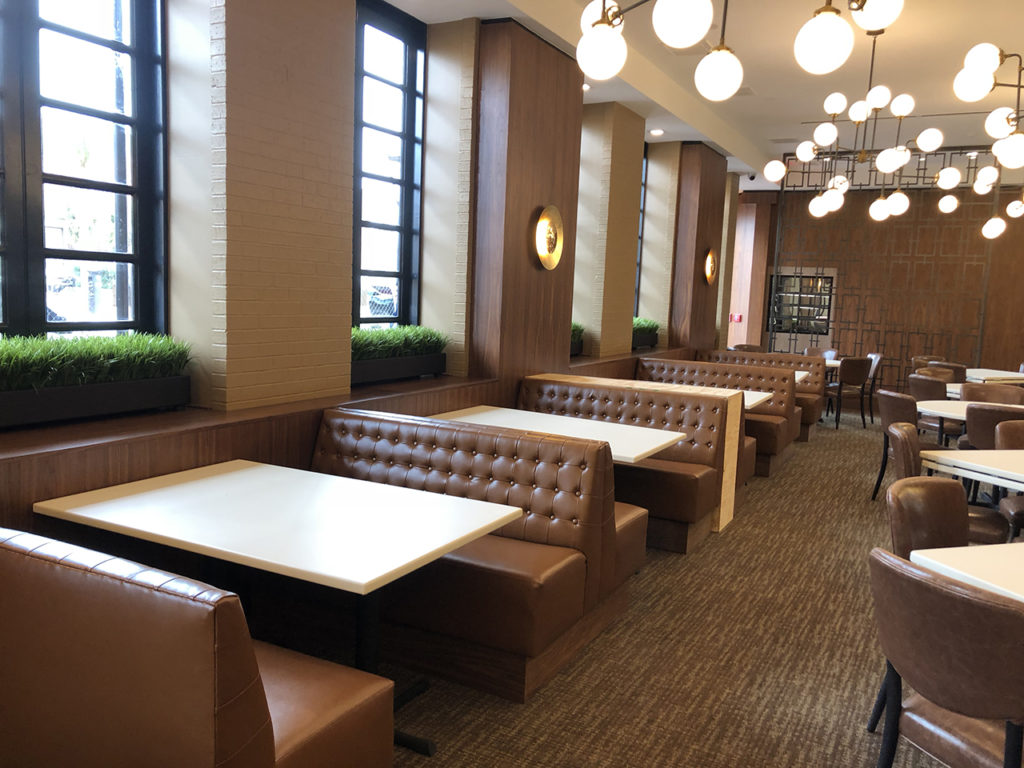
Hospitality Furniture: How to Balance Style, Comfort and Durability for High-Traffic Commercial Spaces
The hotel lobby chairs look stunning in photographs. Three months into service, they’re already showing wear. The restaurant tables create perfect Instagram moments, but wobble annoyingly when guests lean on them. The outdoor seating delivers amazing aesthetics—until the first rain reveals it wasn’t actually designed for weather exposure.
Commercial hospitality environments demand furniture performing triple duty: looking attractive enough to support brand positioning, feeling comfortable enough that guests choose to linger, and surviving intensive use that would destroy residential furniture within months. Finding pieces that excel across all three dimensions while managing realistic budgets represents the fundamental challenge facing every hospitality operator planning new properties or renovating existing ones.
Why Hospitality Furniture Differs From Residential Pieces
Walking into furniture showrooms displaying beautiful residential pieces, hospitality operators often wonder why they can’t simply order the same attractive furniture for their properties. The answer lies in fundamentally different performance requirements that separate residential from commercial contexts.
Usage intensity in hospitality settings exceeds residential environments by orders of magnitude. A hotel lobby chair might serve fifty different guests daily, experiencing more use in a week than residential furniture sees in a year. Restaurants turn tables multiple times nightly, with chairs pulled out, pushed in, and moved constantly. This relentless use demands structural reinforcement that residential furniture specifications don’t address.
User diversity creates challenges beyond simple usage volume. Residential furniture serves the same family members who learn its quirks and treat it with ownership care. Commercial furniture serves constantly changing users with varying sizes, different usage patterns, and zero ownership stake encouraging careful treatment. Design must accommodate this diversity while surviving treatment that ranges from careful to careless.
Maintenance requirements diverge dramatically between residential and commercial settings. Homes can schedule furniture cleaning around occupant convenience and address damage through leisurely repair timelines. Commercial operations must maintain furniture appearance despite constant use, with cleaning happening around operating schedules and repairs requiring rapid turnaround preventing revenue loss from unusable spaces.
Liability exposure in commercial environments requires safety considerations unnecessary in residential contexts. A residential chair that occasionally tips causes annoyance. A restaurant chair that tips creates injury liability and potential lawsuits. Commercial furniture specifications must eliminate foreseeable safety risks that residential pieces might acceptably present.
The Style Imperative in Competitive Markets
Aesthetics matter enormously in hospitality because atmosphere and ambiance directly influence guest perceptions, spending behavior, and whether they return or recommend properties to others.
Brand differentiation increasingly relies on distinctive design signatures that guests recognize and remember. Generic commercial furniture creates interchangeable anonymous spaces that fail to build brand identity or emotional connections. Thoughtfully selected furniture contributes to the visual storytelling that separates memorable properties from forgettable ones.
Photography and social media amplify furniture’s visual importance beyond immediate guest impressions. Guests photograph hotel lobbies, restaurant interiors, and outdoor spaces sharing images across social platforms. Furniture appears prominently in these photos either enhancing or undermining the aesthetic impression properties create. Instagrammable spaces generate organic marketing that generic furniture cannot inspire.
However, style cannot come at the expense of function or durability. The most beautiful furniture fails if guests find it uncomfortable or properties must replace it after brief service. Successful hospitality furniture balances aesthetic impact with practical performance, delivering visual appeal that proves sustainable across years of intensive use.
Design trends influence guest expectations and property perceptions. Spaces feeling dated due to outdated furniture styles struggle attracting guests regardless of operational quality. Contemporary design sensibilities require furniture selections aligning with current aesthetics while avoiding trend-dependent choices that quickly appear passé.
Comfort as Competitive Advantage
Comfortable furniture encourages guests to linger, order additional items, and form positive associations with properties that uncomfortable alternatives cannot create.
The commercial comfort equation includes:
• Ergonomic design supporting proper posture across varied body types and sizes. Restaurant seating used for extended meals requires different support than lobby furniture serving brief waiting periods. Understanding usage patterns informs appropriate comfort specifications for different applications.
• Appropriate cushioning balancing initial comfort against long-term resilience. Overly soft cushioning feels luxurious initially but compresses quickly creating hard uncomfortable surfaces. Commercial-grade foam maintains supportive comfort through thousands of seating cycles that would flatten residential cushioning.
• Temperature and breathability considerations affecting comfort particularly in outdoor applications or poorly climate-controlled spaces. Leather and vinyl create sticky uncomfortable surfaces in hot conditions while some fabrics provide better ventilation and moisture management.
Guest comfort directly correlates with dwell time affecting revenue across hospitality contexts. Restaurant guests lingering comfortably over meals order desserts and additional drinks. Hotel lobby seating encouraging relaxation creates positive impressions influencing review ratings and return visits. Outdoor furniture supporting extended comfortable use maximizes valuable patio and terrace space utilization.
Durability Requirements and Performance Standards
Commercial hospitality furniture must survive conditions that would destroy residential pieces, requiring specifications far exceeding consumer-grade construction.
Frame construction using solid hardwood or heavy-gauge metal with reinforced joints and corner blocks provides structural integrity surviving constant use. Residential furniture often relies on lighter woods, thinner metals, and simpler joinery adequate for limited residential loads but insufficient for commercial demands.
Upholstery fabrics must meet commercial abrasion standards measured through standardized testing. The Martindale test quantifies fabric durability with commercial hospitality applications typically requiring ratings of 50,000 to 100,000 double rubs depending on use intensity. Residential fabrics rated for 15,000 to 25,000 double rubs fail quickly under commercial conditions.
Finish durability on wood and metal surfaces must resist scratching, staining, moisture damage, and chemical exposure from cleaning products used in commercial environments. Specialized commercial finishes including catalyzed lacquers, powder coating, and industrial laminates provide protection that residential finishes cannot match.
Weather resistance becomes critical for outdoor applications where furniture faces sun exposure, rain, humidity, and temperature fluctuations that accelerate deterioration. Purpose-built outdoor commercial furniture uses weather-resistant materials and construction methods that indoor pieces or residential outdoor furniture lack.
Weight and stability prevent tipping accidents creating liability exposure. Commercial specifications typically require stability testing confirming furniture remains upright under foreseeable use conditions including guests leaning, tipping chairs backward, or other common behaviors creating injury risks.
Procurement Strategies for Commercial Projects
Successfully sourcing quality hospitality furniture requires approaches differing from residential purchasing or one-off commercial acquisitions.
Key procurement considerations:
• Lead time planning accounting for manufacturing, shipping, and installation timelines that often extend twelve to twenty weeks from order to delivery. Commercial furniture projects require advance planning preventing delays that cascade through renovation schedules or new property opening timelines.
• Consistency across orders ensuring furniture maintains identical specifications across multiple purchases. Properties phasing renovations over time or ordering additional furniture matching existing pieces need suppliers reliably delivering consistent products despite orders separated by months or years.
• Scalability for large orders means suppliers must have manufacturing capacity handling substantial volume without quality compromises or extended delays. Opening a 200-room hotel requires furniture suppliers capable of producing and delivering hundreds of pieces on coordinated schedules.
• After-sales support including warranty service, replacement parts availability, and repair capabilities affects long-term ownership costs. Suppliers offering comprehensive support enable extending furniture lifespans through repair and refurbishment rather than complete replacement when damage occurs.
Category-Specific Selection Criteria
Different hospitality applications create unique requirements demanding tailored furniture specifications rather than one-size-fits-all approaches.
Lobby and reception areas require furniture balancing visual impact with durability since these high-visibility spaces create first impressions while experiencing constant traffic. Seating must look inviting while surviving continuous use by diverse guests with luggage, bags, and varied interaction patterns.
Restaurant and bar furniture faces intensive use with chairs moved constantly, tables supporting food service, and exposure to spills requiring easy cleaning. Stability becomes particularly important preventing tipping accidents. Close spacing in many dining environments requires furniture scaled appropriately for tight quarters.
Outdoor spaces demand weather-resistant furniture withstanding sun, rain, wind, and temperature fluctuations while maintaining attractive appearance and structural integrity. Materials must resist fading, rust, mold, and degradation from moisture exposure.
Guest room furniture serves intensive use in private settings where different durability challenges emerge including luggage impact on case goods, varied guest treatment ranging from careful to rough, and exposure to moisture from adjacent bathrooms.
Conference and event spaces require flexible furniture including stacking chairs, folding tables, and modular configurations enabling space reconfiguration for different event types and attendance numbers. Storage efficiency matters when furniture must be moved and stored between events.
Budget Allocation and Value Assessment
Commercial furniture represents substantial capital investment requiring strategic budget decisions balancing quality against financial constraints.
Initial cost versus lifecycle value creates the central budget tension. Higher-quality furniture costing substantially more upfront often delivers better long-term value through extended lifespans, reduced maintenance costs, and sustained appearance maintaining property image. However, budget realities often limit initial spending requiring operators to balance ideal specifications against affordable options.
Phased investment strategies spread furniture costs across multiple years through programmed replacement schedules. Rather than replacing all furniture simultaneously when it reaches end-of-life, strategic planning rotates furniture on schedules ensuring continuous updates while managing annual capital expenditure.
ROI considerations extend beyond furniture costs to include impact on guest satisfaction, revenue generation, and operational efficiency. Comfortable attractive furniture supporting longer dwell times and positive guest experiences creates measurable value beyond simple furniture function.
Maintenance budgets require adequate allocation ensuring furniture remains well-maintained throughout its lifecycle. Inadequate maintenance budgets accelerate deterioration requiring premature replacement that costs far more than proper ongoing care.
Working with Specialized Suppliers
Commercial hospitality furniture procurement benefits enormously from working with suppliers specializing in this market segment rather than general furniture vendors.
Industry expertise enables suppliers to understand unique hospitality requirements, recommend appropriate specifications, and anticipate challenges that generalist suppliers might miss. Specialists in hotel fitout australia projects like Turnkey Furniture bring experience across numerous hospitality installations informing better product recommendations.
Product development by specialist suppliers creates furniture specifically designed for commercial hospitality rather than adapting residential pieces for commercial applications. Purpose-built commercial furniture addresses industry requirements from initial design rather than attempting to retrofit residential pieces.
Supply chain reliability matters enormously for projects with fixed opening dates or renovation schedules. Specialist suppliers maintain inventory, have established manufacturing relationships, and understand timeline management critical to commercial project success.
Project management capabilities including space planning, installation coordination, and post-installation service distinguish specialist suppliers from simple furniture retailers. Comprehensive project support streamlines implementation while reducing operator burden managing multiple vendor relationships.
Future-Proofing Furniture Investments
Long furniture lifecycles in commercial applications require considering how selections will perform across changing conditions over years of service.
Design longevity favors classic contemporary styles over trend-dependent designs that quickly appear dated. While furniture needn’t be boring, avoiding extreme trend-based choices prevents spaces feeling outdated within few years.
Flexibility and adaptability in furniture systems enables reconfiguration as operational needs evolve. Modular seating, adjustable tables, and multipurpose pieces provide ongoing utility despite changing requirements.
Sustainability considerations increasingly influence furniture selection as environmental consciousness affects both regulatory requirements and consumer preferences. Durable long-lasting furniture represents environmental responsibility through reduced replacement frequency regardless of other sustainability attributes.
Maintenance and refurbishment potential allows extending furniture life through reupholstering, refinishing, or component replacement. Furniture designed for serviceability delivers better long-term value than sealed assemblies requiring complete replacement when damage occurs.
Balancing style, comfort, and durability requires understanding that these attributes complement rather than compete when approached strategically. The most attractive furniture proves worthless if uncomfortable or fragile. The most durable pieces fail if guests avoid using them due to discomfort or unattractive appearance. Success comes from integrated thinking that treats all three dimensions as equally essential to commercial hospitality furniture performance.