How Embedded SIM Technology Works in Modern Smartphones
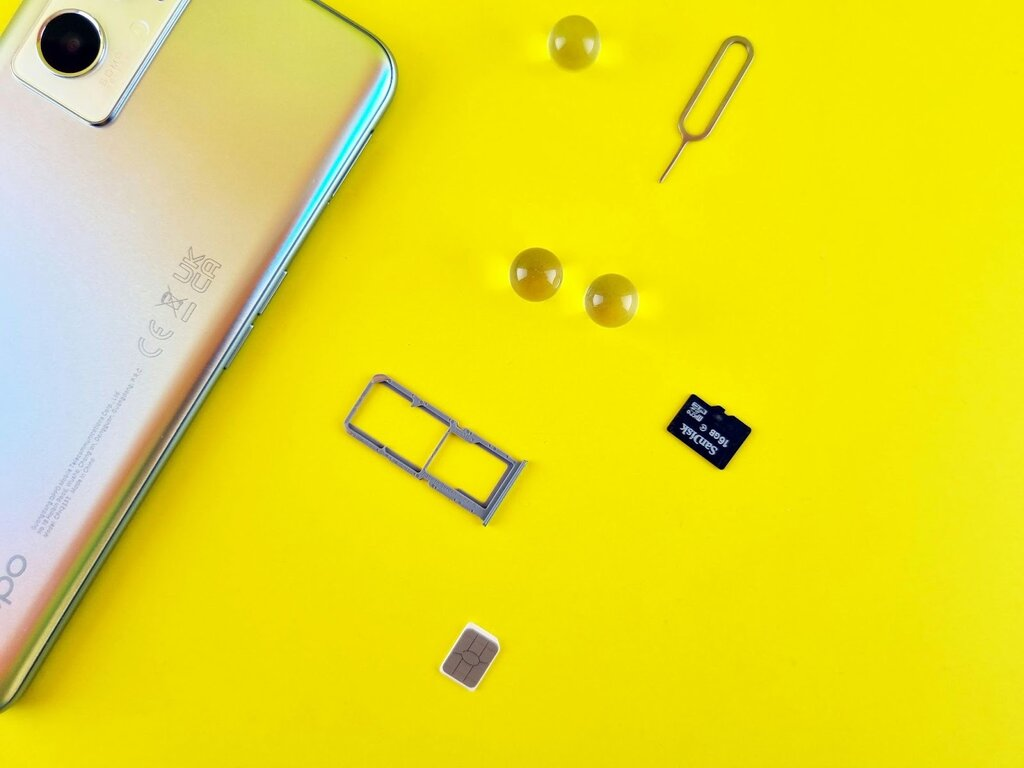
That little plastic rectangle in your phone? It’s essentially become obsolete. Embedded SIM technology ditches physical cards completely, allowing carrier switches through simple taps rather than fishing around for ejector pins. Today’s eSIM in smartphones offers immediate activation, multi-line capabilities, and superior water resistance—while creating room for enhanced battery capacity. Grasping how eSIM works, examining benefits of embedded SIM, and comparing eSIM vs physical SIM helps you determine whether abandoning the card tray makes sense.
Embedded SIM Technology Explained for Everyday Smartphone Users
Moving toward digital connectivity eliminates frustrations you’ve likely faced before.
Industry analysis shows over 60% of smartphones launching in 2025 will support eSIM functionality, confirming this has moved beyond experimental territory into mainstream adoption. Embedded SIM technology means the SIM component gets soldered permanently onto your device’s circuit board during production, eliminating any removable card.
Embedded SIM Technology vs Physical SIM: The Practical Differences That Matter
Traditional SIM cards demand you open a tray, position a minuscule chip correctly, and pray nothing gets dropped. eSIM in smartphones transforms that process into scanning QR codes or launching apps. You’ll complete plan activation from your living room, particularly valuable when traveling and requiring immediate local network access. Ready to explore providers? You can learn how to get esim plans from carriers including T-Mobile, Verizon, or international operators by investing minimal time browsing their platforms or mobile applications.
Previous carrier transitions meant anticipating mail delivery or visiting retail locations. eSIM lets you acquire new profiles instantly, compressing activation timelines from several days to mere minutes. Devices with reduced physical openings demonstrate improved resistance against particles and moisture, since there’s no tray requiring access. That reclaimed internal space? Manufacturers typically allocate it toward expanded batteries or upgraded antenna systems, delivering extended usage and enhanced connectivity.
eSIM in Smartphones and the Digital SIM Profile Concept
Consider an eSIM profile as downloadable identity credentials—your contact number, network verification codes, and carrier configurations packaged as software. Your device can house multiple profiles (typically five through ten), though only one or two remain operational simultaneously, based on your hardware. This framework enables dual-SIM arrangements where you maintain separate business and personal lines without managing physical cards.
Embedded SIM technology distinguishes the eSIM chip (hardware component) from the eSIM plan (downloaded profile). This distinction carries weight because not every embedded component permits remote modifications—certain legacy devices restrict you to single carriers. Contemporary eUICC-enabled eSIMs allow profile switching anytime, providing flexibility to test alternative carriers or secure temporary international plans without hardware modifications.
How eSIM Works Inside a Smartphone (Architecture Without the Jargon Overload)
Now that differences are clear, let’s examine the underlying technology delivering these advantages. The infrastructure combines secure hardware with cloud infrastructure to maintain connection privacy and consistency.
The Key Components Behind eSIM in Smartphones
The eUICC (embedded universal integrated circuit card) represents a tamper-proof chip housing your profiles. It employs secure element architecture—comparable to payment application protection—preventing credential duplication attempts. Market projections indicated 986 million eSIM-compatible smartphones existed last year, with forecasts reaching 3.4 billion eSIM devices (spanning tablets, laptops, and smartwatches) by 2025, up from 1.2 billion in 2021, demonstrating this framework scales securely across enormous volumes.
Your device’s LPA (local profile assistant) functions as an intermediary, communicating with remote infrastructure during profile downloads. Operating invisibly, SM-DP+ (subscription manager data preparation) and SM-DS (subscription manager discovery service) servers manage encryption and transmission. You never interact with these directly—they simply guarantee your QR code or application activation retrieves appropriate profiles securely.
Activation Journey from QR Code to Network Access (Step-by-Step Flow)
Scanning a QR code initiates your phone’s connection to carrier provisioning infrastructure via Wi-Fi (or existing cellular if available). The LPA obtains your encrypted profile, confirms legitimacy through authentication protocols, then installs it within the eUICC. Your device authenticates against network infrastructure using these fresh credentials, establishing connectivity—frequently under two minutes.
Certain carriers bypass QR codes entirely, utilizing applications to automate retrieval. This approach benefits less technical users because applications handle server communication without manual code entry. Regardless of method, you’ll require stable internet connectivity for initial downloads, making hotel Wi-Fi or café connections viable when configuring abroad.
Embedded SIM Technology and Authentication: IMSI, Keys, and Secure Provisioning Basics
Your eSIM profile incorporates an IMSI (international mobile subscriber identity) and ICCID (integrated circuit card identifier), representing unique identifiers authenticating you to networks. Encryption keys embedded within profiles prevent remote credential copying. Embedded SIM technology diminishes SIM-swap fraud vulnerability because there’s no physical card attackers can extract and transfer.
Benefits of Embedded SIM: Speed, Flexibility, and Security Improvements
With a technical foundation established, the critical question becomes: what do these components actually provide daily? Tangible advantages emerge through travel experiences, hardware durability, and account protection.
Benefits of Embedded SIM for Travelers and Remote Workers
You can purchase regional data plans minutes after arrival, bypassing retail visits or delivery delays. Storing multiple profiles enables switching between home carriers and travel plans without sacrificing your primary number. Remote workers crossing borders benefit by maintaining primary lines for voice communication while routing data through economical regional eSIMs, reducing costs and complexity.
Dual-SIM configurations excel here—accept calls on your home number while browsing through local data plans, all controlled through device settings. It’s ideal for business travel where reliable contact information matters but roaming expenses need containment.
Benefits of Embedded SIM for Device Reliability and Design
Phones excluding SIM trays experience fewer failures because there’s one less mechanical component. You won’t break tray ejectors or misalign cards—common repair scenarios. Enhanced sealing around internals improves waterproof ratings, helping devices survive liquid exposure better. Manufacturers repurpose that tray volume for components delivering greater value—expanded batteries, sophisticated camera assemblies, or improved thermal management. That’s why premium models increasingly eliminate physical slots.
Benefits of Embedded SIM for Security and Account Recovery
Physical SIM theft represents genuine risk—criminals swap cards to compromise accounts. eSIM in smartphones complicates this attack vector because profiles exist encrypted on chips inside locked devices. Combining eSIM with carrier PINs (port-out protection) and biometric authentication strengthens security further. Should your phone get stolen, remotely disabling the eSIM profile through your carrier prevents unauthorized service usage. Some carriers permit profile reinstallation on replacement devices after identity verification, streamlining recovery without store appointments.
What You’re Probably Wondering About eSIM
Can eSIM in smartphones work without Wi-Fi during activation?
Typically, you’ll need Wi-Fi for initial profile downloads since they’re data-intensive operations. However, if you already maintain an active eSIM, you can occasionally add secondary profiles over cellular, depending on carrier systems and device capabilities.
Does embedded SIM technology affect call quality, data speed, or 5G performance?
No—SIM format doesn’t influence network performance. How eSIM works internally uses identical authentication and connection protocols as physical cards, so speeds and call clarity reflect your carrier’s infrastructure and your device’s hardware specifications precisely.
Can I use eSIM vs physical SIM together for dual SIM on the same phone?
Absolutely—many phones accommodate one physical SIM slot plus one eSIM concurrently, or dual eSIM on newer flagships. You’ll control both lines through settings, selecting which manages calls, texts, and data independently for complete flexibility.
Making the Switch: Why eSIM Makes Sense Now
Embedded SIM technology transcends novelty—it’s a meaningful upgrade eliminating physical inconveniences and enabling instant carrier flexibility. Whether you’re a frequent traveler requiring on-demand local plans, someone balancing work and personal lines, or simply exhausted by handling tiny cards, eSIM in smartphones provides genuine convenience. The security enhancement and improved device resilience make it even more attractive. As carrier support expands and devices standardize around eSIM, adopting now future-proofs your connectivity without committing to outdated hardware. If your phone supports it and your carrier offers it, there’s minimal reason to hesitate.