How to Create a Stylish Home Theater
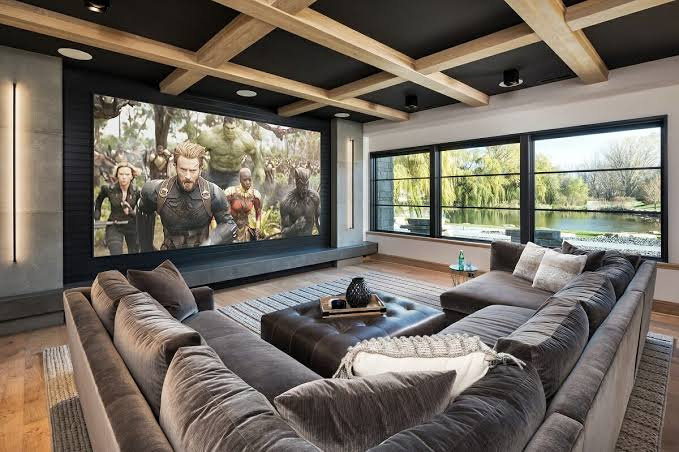
A home theater lives or dies on room shape. Before buying anything, measure your space. Note where windows sit and where doors swing open.
Rectangular rooms work best for sound distribution. Square rooms cause standing waves that muddy bass frequencies. If your room is square, you can still fix this with strategic furniture placement and acoustic panels.
Think about sightlines too. Every seat should have a clear view of the screen without neck strain. A 30 degree viewing angle from the screen’s center is the standard reference point used by home theater installers.
Get the Lighting Right
Lighting sets the mood before the first movie even starts. Skip harsh overhead lights. Go with dimmable LED strips behind the screen or along the ceiling perimeter.
Bias lighting reduces eye strain during long viewing sessions. It also makes blacks on the screen look deeper. A soft warm white, around 2700K, matches most cinema aesthetics without competing with the picture.
Walls near the seating area are a good spot for personal touches. Framed prints or personalized photo books on a side table add warmth without pulling focus from the screen. It keeps the room feeling lived in rather than staged.
Choose the Right Screen and Seating
Screen size depends on viewing distance, not room size. A common rule is to sit at a distance equal to 1.5 times the screen’s diagonal for 4K content.
Projectors give you the biggest image for the lowest cost per inch. But they need a dark room to perform well. OLED and QLED TVs handle ambient light better if your room has windows you don’t want to block completely.
Seating matters as much as the screen. Recliners with built in cup holders and USB ports are common now, but comfort should come first. Test seating in person if you can. A chair that looks great in photos can feel stiff after twenty minutes.
Sound System Basics
Audio is where most home theaters fall short. People spend on a big screen and skip the speakers, then wonder why the experience feels flat.
A basic setup should include:
- A center channel speaker for dialogue clarity
- Front left and right speakers for stereo separation
- A subwoofer for low frequency effects
- Rear or surround speakers for ambient sound
- An AV receiver to manage all channels
Soundbars have grown popular because they are easy to install and take up little space. Soundbars held the largest market share of home theater products in 2025 due to their small size, quick installation, and compatibility with smart TVs and voice assistants, according to SNS Insider’s market analysis, which can be found at snsinsider.com.
If you want true surround sound, a 5.1 system is the entry point most audio engineers recommend. Anything less and you lose the separation between dialogue, effects, and ambient noise.
Add Personality With Decor
A home theater should not look like a showroom. It should look like your space. This is where small details make the biggest difference.
Movie posters, string lights, and themed signage give the room character. A neon Netflix sign near the entrance or above the media console is a simple way to signal what the room is for before anyone even sits down.
Rugs help with acoustics and comfort at the same time. Hard floors bounce sound and create echo. A thick rug under the seating area softens reflections and keeps the room quieter between scenes.
Wiring and Tech Setup
Cable management is not glamorous, but it separates a good home theater from a great one. Loose cables cause interference and look messy no matter how nice the furniture is.
Run speaker wire through walls or under baseboards when possible. If that is not an option, use cable raceways painted to match the wall color. In wall speaker wire rated CL2 or CL3 is required by most local building codes for safety.
Streaming has changed how people set up these rooms entirely. Smart, connected home entertainment systems dominated the market with a 68.53% share in 2025 and are expected to grow fastest as more households adopt AI, IoT, and voice controlled devices. That means your receiver and streaming box should support Wi-Fi 6 or higher for smoother 4K streaming without buffering.
Final Touches
Once the big pieces are in place, walk through the room at different times of day. Check how light shifts and whether glare hits the screen in the afternoon.
Test the sound at both low and high volumes. A system that sounds balanced quietly can distort at higher levels if speakers are underpowered for the room size.
A stylish home theater comes down to planning, not spending. Get the layout, lighting, and sound right first. The decor is what makes it feel like yours.
read more : The Benefits of Scheduling a Physical Therapy Appointment Soon After a Neck Injury