LML Meaning in Text
If you’ve ever received a message with “LML” and paused to figure out what it meant, you’re not alone. LML Meaning in Text often confuses people because it doesn’t have just one definition. Like many internet slang terms, its meaning changes based on context, tone, and the situation in which it’s used. This guide breaks down everything you need to know so you can understand and respond confidently the next time you see it.
What Does LML Stand For in Texting?
LML is a popular slang abbreviation used in casual online conversations. It has two widely accepted meanings, and understanding which one applies depends entirely on context.
The two main meanings are:
- Laughing Mad Loud
- Love My Life
Both are common, but they’re used in very different situations.
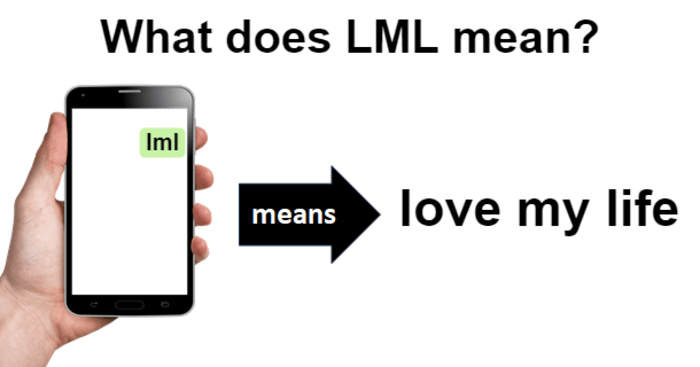
LML as “Laughing Mad Loud”
The most common usage of LML Meaning in Text refers to “Laughing Mad Loud.” It’s used to show strong amusement, usually when something is funnier than a regular “LOL” moment.
Key points about this usage:
- Expresses intense laughter
- Used in informal conversations
- Often replaces or exaggerates LOL or LMAO
- Common in texting, DMs, and comment sections
This version is lighthearted and almost always positive.
LML as “Love My Life”
The second meaning of LML is “Love My Life.” This one is a little trickier because it can be either sincere or sarcastic.
How it’s commonly used:
- To express happiness or satisfaction
- To show appreciation for a moment
- Sarcastically, to complain about a bad situation
Tone and surrounding words usually make the intention clear.
How Context Changes the Meaning of LML
Context is everything when interpreting LML. The same three letters can signal joy, laughter, or sarcasm depending on how they’re used.
Context clues include:
- The topic of the conversation
- Emojis used with the message
- Whether the message follows a joke or a complaint
- The relationship between the people chatting
Without context, it’s easy to misread the intention.
LML Usage Across Different Platforms
| Platform | How LML Is Commonly Used |
|---|---|
| Text Messages | Casual reactions to jokes or life moments |
| Captions or comments (often sarcastic) | |
| Snapchat | Quick emotional responses |
| TikTok | Comment reactions or relatable humor |
| Twitter/X | Short, sarcastic statements |
The meaning stays the same, but the tone may shift depending on the platform.
Examples of LML in Sentences
Understanding examples makes everything clearer.
Laughing Mad Loud:
- “That video you sent me had me dying, LML 😂”
- “He actually said that out loud… LML”
- “This chat is wild today, LML”
Love My Life (positive):
- “Finally finished my exams, LML ❤️”
- “Beach day with friends, LML”
Love My Life (sarcastic):
- “Spilled coffee on my laptop before work, LML”
How to Respond When Someone Says LML
Your response should match the meaning behind the message.
If it means laughing:
- Respond with another joke
- Use laughing emojis
- Say something like “Same 😂”
If it means happiness:
- Acknowledge the moment
- Reply with encouragement or excitement
If it’s sarcastic:
- Show empathy
- Respond with humor or support
Is LML Positive or Negative?
LML itself isn’t positive or negative; it’s emotionally flexible.
- Positive when expressing laughter or joy
- Negative when used sarcastically
- Neutral when used casually
Tone, timing, and context decide everything.
LML vs Similar Slang Terms
| Slang Term | Meaning | How It Differs |
|---|---|---|
| LOL | Laugh Out Loud | Milder than LML |
| LMAO | Laughing My Ass Off | Stronger, more exaggerated |
| ROFL | Rolling on the Floor Laughing | Older internet slang |
| FML | F*** My Life | Negative counterpart to LML |
Knowing these differences helps avoid misunderstandings.
Now that you understand LML Meaning in Text, you’ll be able to spot whether someone is laughing hard, feeling genuinely happy, or being sarcastic. Like most slang, LML relies heavily on context—but once you know the patterns, it’s easy to interpret. When in doubt, look at the tone, emojis, and situation before reacting.