Polygraph Test: What It Really Measures (And What It Doesn’t)
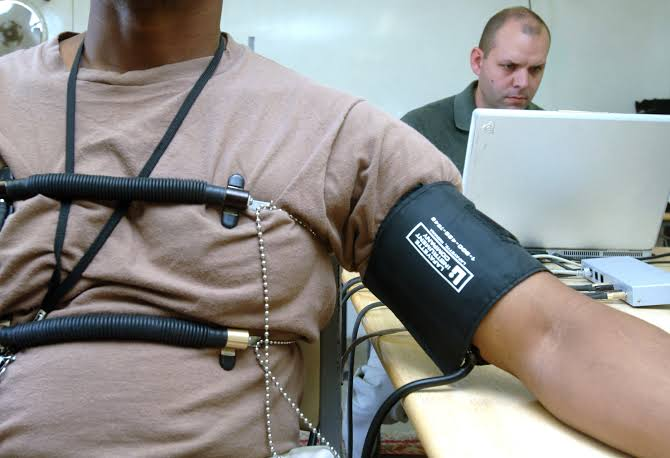
There’s something oddly dramatic about a polygraph test. A quiet room. Wires attached to your chest and fingers. A steady voice asking simple questions that somehow feel loaded. Even if you’ve got nothing to hide, your heart still picks up a bit.
That’s the strange power of the polygraph. It doesn’t just test truth. It tests nerves, pressure, and how your body reacts when the stakes feel high.
Most people think it’s a machine that detects lies. Clean. Scientific. Almost foolproof.
It’s not that simple.
What a Polygraph Actually Tracks
At its core, a polygraph doesn’t know truth from lies. It measures physiological responses—things your body does automatically.
Breathing rate. Heart rate. Blood pressure. Skin conductivity (which basically means sweating).
The idea is straightforward: when someone lies, their body reacts. Maybe they feel stress, guilt, or fear of being caught. Those emotions trigger measurable changes.
Here’s the catch. Those same reactions happen for a lot of other reasons.
Imagine you’re asked, “Did you ever steal anything from your workplace?”
Even if the answer is no, your brain might flash through memories. That time you took a pen. That moment you bent a rule. Your body reacts—not because you’re lying, but because the question hits something uncomfortable.
The machine doesn’t know the difference.
The Test Isn’t Just Questions—It’s Strategy
A real polygraph session isn’t just someone firing questions at you. There’s a method behind it.
First comes the pre-test interview. This part matters more than people expect. The examiner talks through the questions, explains the process, and often tries to establish a baseline of how you respond.
It’s also where subtle pressure creeps in.
You might hear things like, “This test is very accurate,” or “It’s better to be honest now than later.” That’s not accidental. It’s meant to heighten your emotional investment.
Then come the actual questions, usually in a structured format:
- Neutral questions: “Is your name John?”
- Control questions: broad, uncomfortable ones like “Have you ever lied to get out of trouble?”
- Relevant questions: the ones tied to the issue being investigated
The comparison between your responses is what the examiner interprets.
Here’s where it gets tricky. Control questions are designed to make most people slightly uneasy. So if you react more strongly to those than to the relevant ones, you may appear truthful—even if you’re not.
That alone should tell you something about how interpretive the whole process is.
Why People Still Believe in It
Given all the ambiguity, you’d expect polygraphs to be dismissed entirely. But they’re still widely used, especially in certain government roles and investigations.
Part of that is psychological.
The polygraph works as much on the mind as it does on the body. People believe it works. That belief can lead to confessions before the test even begins.
Picture someone applying for a sensitive job. They’ve stretched the truth on their application. Nothing huge, just small omissions. But now they’re sitting across from a polygraph examiner.
Suddenly, those “small” things feel bigger.
Some people end up admitting things simply because they assume the machine will catch them anyway.
In that sense, the polygraph is less a lie detector and more a pressure tool.
Accuracy: Better Than Chance, Worse Than You Think
Let’s talk about accuracy, because this is where opinions split.
Supporters will say polygraphs are highly accurate when administered properly. Critics argue they’re unreliable and prone to error.
The reality sits somewhere in between.
Polygraphs can detect physiological changes linked to stress. That part is real. But linking those changes specifically to deception is where things get shaky.
False positives happen. That’s when truthful people are flagged as deceptive.
False negatives happen too. Some people lie and don’t trigger strong reactions.
Think about different personalities. Someone anxious by nature might react strongly to every question. Someone calm, detached, or trained to control their responses might not.
There’s also the issue of countermeasures—ways people try to manipulate the test. Small physical or mental tricks to create artificial responses during control questions.
Even the possibility of that makes interpretation harder.
Where Polygraphs Are Used Today
You won’t usually see polygraph results standing alone in court. In many places, they’re not admissible as solid evidence.
But they still show up in specific areas.
Law enforcement sometimes uses them during investigations. Not as final proof, but as a tool to guide questioning.
Government agencies use them for security clearances. That’s probably the most consistent modern use.
And then there are private cases—employment screenings, relationship disputes, even reality TV (which is a whole different story).
The common thread? They’re rarely the final word. More like one piece of a larger puzzle.
The Experience: What It Feels Like
People often underestimate how intense a polygraph test can feel.
You’re sitting still, hooked up to sensors, aware that every breath and heartbeat is being tracked. Even silence feels loud.
The examiner’s tone is usually calm, but deliberate. Questions are repeated. Pauses stretch just a little longer than comfortable.
Time starts to feel strange.
Even if you walk in confident, the setup alone can make you second-guess yourself. That’s part of the design.
A friend once described it as “being asked simple questions in a way that makes them feel complicated.”
That’s about right.
Can You Beat a Polygraph?
This question comes up a lot, and the honest answer is: sometimes, but not reliably.
There’s no guaranteed way to “beat” the test. But there are factors that influence outcomes.
People who can stay calm under pressure tend to fare better. So do those who understand how the test works.
Some try physical tricks—like tensing muscles during certain questions—to manipulate readings. Others use mental strategies, like focusing on stressful thoughts at specific moments.
The problem is consistency. It’s hard to control your body precisely under scrutiny, especially when you know you’re being evaluated.
And experienced examiners are trained to look for signs of manipulation.
So while it’s not foolproof, it’s also not something you can casually outsmart.
The Bigger Question: Is It Fair?
This is where things get more philosophical.
If a test can’t clearly separate truth from stress, should it carry weight in serious decisions?
On one hand, it can help uncover information. It can push conversations forward. It can even reveal patterns worth investigating.
On the other hand, it can misread honest people. And that’s not a small risk.
Imagine being completely truthful, but naturally anxious. Your body reacts strongly. The test suggests deception.
That label sticks, even if it’s wrong.
That’s why many experts argue polygraphs should be used cautiously—if at all.
Why It Still Has a Place
Despite all the criticism, the polygraph hasn’t disappeared. And there’s a reason for that.
It sits in a gray area between science and psychology.
It’s not precise enough to be definitive. But it’s effective enough to influence behavior.
That alone gives it value in certain contexts.
When used responsibly—as one tool among many—it can contribute to a broader understanding of a situation.
The problem comes when it’s treated as something more than it is.
The Takeaway
A polygraph test isn’t a truth machine. It’s a stress detector wrapped in a structured interview.
It measures how your body reacts, not whether your words are objectively true.
That doesn’t make it useless. But it does mean it needs context.
If you ever find yourself facing one, it helps to understand what’s really happening. Not just the wires and graphs, but the psychology behind it.
Because in the end, the polygraph isn’t just reading you.
It’s influencing you, too.