Torta Meaning Slang
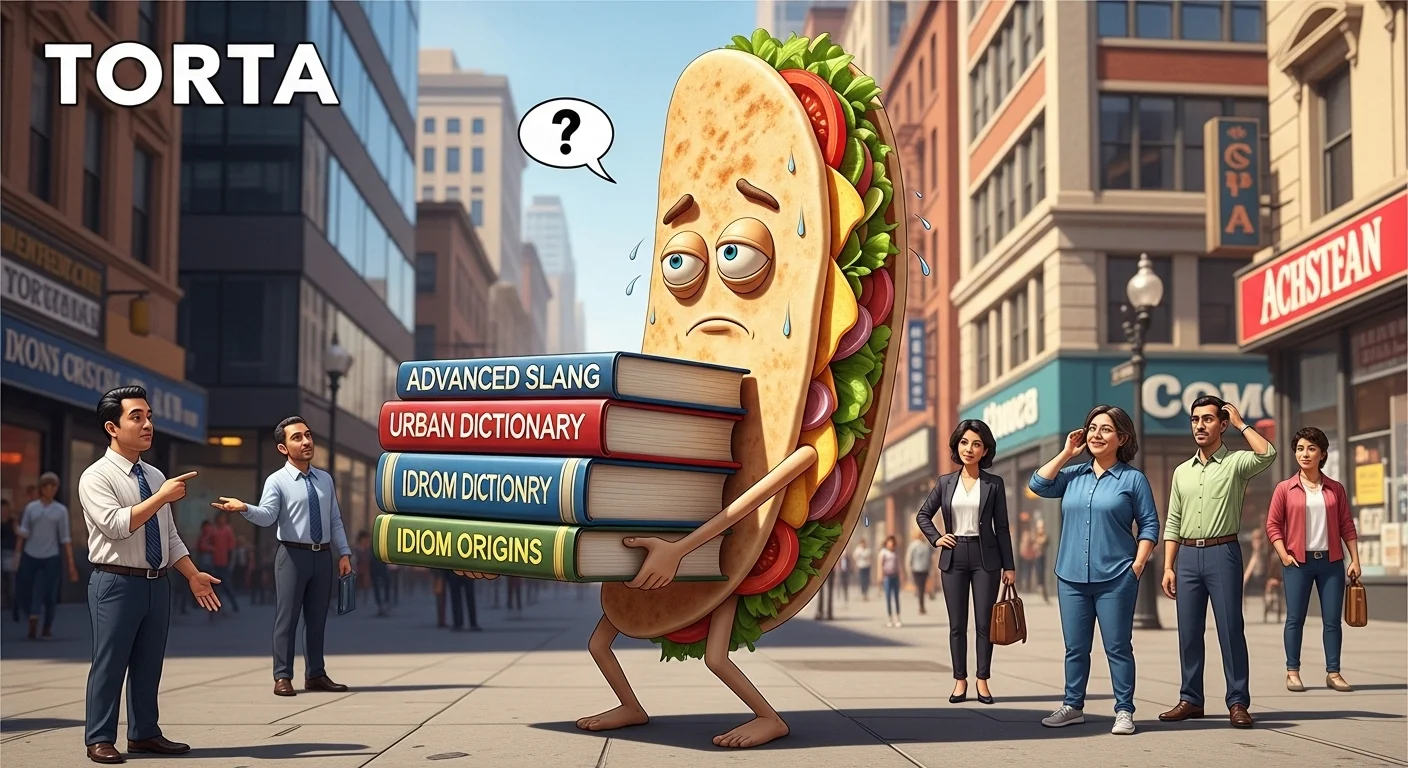
The word “torta” often causes confusion because its meaning changes dramatically depending on country, culture, and context. While many people know torta as a type of food, others encounter it as slang, sometimes humorous, sometimes offensive.
What Does “Torta” Literally Mean?
In standard Spanish, torta is a noun with neutral meanings, most commonly related to food. Its literal definition varies by region:
- Mexico: A torta is a sandwich, usually served on a crusty bread roll and filled with meat, cheese, beans, or avocado.
- Spain: Torta often refers to a cake, flatbread, or sometimes a thick omelet.
- Other Latin American countries: It may mean cake, pie, or a round baked dish.
- English usage: The word is borrowed occasionally, usually referring to Mexican food.
At this level, torta is harmless and neutral.
What Does “Torta” Mean in Slang?
As slang, “torta” can take on very different meanings, and this is where confusion and controversy begin.
In some regions, torta is used informally to:
- Mock someone’s appearance
- Insult someone’s weight or clumsiness
- Refer to someone in a derogatory or outdated social context
Importantly, slang meanings are not universal. A word that sounds playful in one country may be offensive in another.
“Torta” Slang Meaning by Country
Torta Slang Meaning in Mexico
In Mexican slang, torta can be used as an insult, usually implying that someone is:
- Overweight
- Clumsy
- Messy or awkward
It is often said jokingly among friends, but when used toward strangers, it can be rude or insulting. Tone and relationship matter greatly.
Torta Slang Meaning in Argentina and Uruguay
In Argentina and Uruguay, torta has a historical slang meaning referring to a lesbian woman.
Key points:
- This usage is outdated
- It is often considered offensive today
- Many view it as a derogatory term rooted in stereotypes
Modern speakers generally avoid this usage due to its discriminatory implications.
Torta Meaning in Spain
In Spain, torta is rarely used as slang.
- It mostly retains its literal food-related meaning
- Slang usage is uncommon and often misunderstood
- Spaniards are more likely to interpret it literally
Other Latin American Countries
Across Latin America:
- Some countries do not use torta as slang at all
- Others may understand it vaguely as teasing or humorous
- Misinterpretations are common across borders
This makes torta a high-risk slang word for non-native speakers.
Is “Torta” Slang Offensive?
The answer depends on three key factors:
- Country: Meaning changes by region
- Tone: Joking vs mocking
- Relationship: Friends vs strangers
In general:
- Among close friends, it may be playful
- Toward strangers, it can sound insulting
- In LGBTQ+ contexts, it may be offensive regardless of intent
If you’re unsure, it’s best not to use it.
Examples of “Torta” Used in Slang (Contextual Only)
⚠️ Note: These examples are for explanation, not encouragement.
- “Deja de comer tanto, pareces una torta.”
(Mocking tone; potentially offensive) - “Esa torta no sabe ni caminar.”
(Insult implying clumsiness)
These examples show how context determines meaning.
“Torta” in Social Media and Pop Culture
On platforms like TikTok, Twitter, and Instagram:
- Torta may appear in memes
- It’s sometimes reclaimed humorously
- Meaning often becomes exaggerated or ironic
However, online humor doesn’t remove real-world offense. What works in a meme may not work in conversation.
The word “torta” is a perfect example of how language shifts across cultures. While it’s commonly a food item, its slang meanings can range from teasing to offensive, depending on where and how it’s used.
FAQs
Does “torta” always mean something bad?
No. Most of the time, it simply means food. Slang usage depends on context and region.
Is “torta” a swear word?
No, but it can function like an insult in certain situations.
Can I say “torta” jokingly?
Only if:
- You fully understand the local context
- You know the person well
Otherwise, it’s risky.
Why do people get offended by the word?
Because some slang meanings are tied to:
- Body-shaming
- Gender stereotypes
- Historical discrimination