What Causes Soil Erosion Around a House?
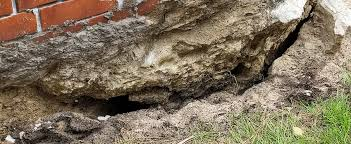
Soil erosion around a house is a common yet often overlooked problem that can lead to significant structural and landscaping issues over time. When soil is displaced from its original location, it can expose foundations, create unsightly gullies, and even threaten the stability of walkways and driveways. The causes of soil erosion are varied, ranging from natural forces like rain and wind to human activities such as poor landscaping or improper drainage. Understanding what leads to soil erosion is crucial for homeowners who want to protect their property and maintain a safe, attractive environment. By identifying the main contributors to soil erosion, you can take proactive steps to prevent damage and preserve the integrity of your home’s surroundings.
Key factors behind soil erosion
The Role of Water Runoff
Water runoff is one of the most significant contributors to soil erosion around residential properties. When heavy rain falls, water flows over the surface of the ground, picking up soil particles and carrying them away. This process is especially pronounced on sloped landscapes, where gravity accelerates the movement of water and soil. Poorly managed runoff can quickly erode the soil near a house’s foundation, leading to exposed roots, uneven ground, and even basement leaks. The absence of proper drainage systems, such as downspouts and splash blocks, can exacerbate the problem by allowing water to pool near the home. Over time, repeated exposure to uncontrolled runoff can strip away topsoil, reduce soil fertility, and create channels that direct even more water toward vulnerable areas. Homeowners should pay close attention to how water moves across their property, especially after storms, to identify early signs of erosion and address them before they become severe.
Impact of Improper Landscaping
Improper landscaping practices can significantly increase the risk of soil erosion around a house. When lawns are overwatered or left bare without adequate ground cover, the soil becomes more susceptible to being washed away during rainfall. Plant roots play a vital role in holding soil together, so areas lacking vegetation are particularly vulnerable. Additionally, the use of hard surfaces like concrete patios or driveways can alter the natural flow of water, directing it toward areas that are not equipped to handle increased moisture. In regions where heavy rainfall is common, homeowners may consider a gutter install little rock service to help manage water flow and reduce the risk of erosion. Mulching garden beds, planting ground covers, and maintaining healthy turf are all effective ways to stabilize soil and prevent it from being displaced. Thoughtful landscaping not only enhances the appearance of a property but also serves as a critical defense against the damaging effects of erosion.
Influence of Soil Type and Slope
The type of soil and the slope of the land surrounding a house are fundamental factors that determine how susceptible an area is to erosion. Sandy soils, for example, have larger particles and do not hold together as well as clay or loam soils, making them more prone to being carried away by water or wind. Steep slopes further increase the risk, as gravity encourages the downward movement of both water and soil. When a house is built on or near a hill, the natural tendency for soil to move downhill can be intensified by construction activities that disturb the ground. Retaining walls, terraces, and other structural solutions can help slow down the movement of soil and provide additional support. However, without proper planning and maintenance, these features can sometimes fail, leading to even greater erosion problems. Understanding the unique characteristics of your property’s soil and topography is essential for choosing the right erosion control measures.
Effects of Weather and Climate
Weather patterns and climate conditions play a significant role in the rate and severity of soil erosion around homes. Areas that experience frequent heavy rainfall or intense storms are at a higher risk, as the force of falling water can dislodge soil particles and create rapid runoff. Conversely, prolonged dry periods can weaken soil structure, making it more susceptible to wind erosion. Seasonal changes, such as freeze-thaw cycles, can also contribute to soil movement by causing expansion and contraction in the ground. In regions with unpredictable weather, homeowners must remain vigilant and adapt their erosion control strategies as conditions change. Installing rain gardens, using permeable materials for walkways, and maintaining healthy vegetation can help mitigate the impact of extreme weather events. By staying aware of local climate trends, property owners can better anticipate potential erosion issues and take timely action to protect their homes.
The Importance of Regular Maintenance
Regular maintenance is crucial for preventing and managing soil erosion around a house. Simple tasks such as cleaning gutters, inspecting downspouts, and checking for signs of pooling water can make a significant difference in how water is directed away from the foundation. Addressing small issues promptly, like repairing damaged landscaping or reseeding bare patches, can prevent them from escalating into larger problems. Homeowners should also monitor the condition of retaining walls, drainage systems, and other erosion control features to ensure they are functioning as intended. Consistent upkeep not only preserves the appearance of the property but also safeguards its structural integrity. By making erosion prevention a routine part of home maintenance, property owners can avoid costly repairs and maintain a safe, stable environment for years to come.
Quick Tips for Preventing Erosion
Planting native vegetation and maintaining healthy ground cover are effective ways to reduce soil erosion around a house. Ensuring that gutters and downspouts are clear and functioning properly helps direct water away from the foundation. Regularly inspecting the landscape for signs of erosion, such as exposed roots or uneven ground, allows for early intervention. Simple adjustments, like adding mulch or redirecting runoff, can make a noticeable difference in preserving soil stability and protecting your property.
Conclusion
Soil erosion around a house is a multifaceted issue influenced by water runoff, landscaping choices, soil type, slope, and weather conditions. Each of these factors can contribute to the gradual loss of soil, which in turn can threaten the stability and appearance of your property. By understanding the underlying causes and implementing effective prevention strategies, homeowners can protect their investment and maintain a safe, attractive environment. Regular maintenance, thoughtful landscaping, and attention to drainage are all essential components of a comprehensive erosion control plan. Taking proactive steps today can help ensure that your home remains secure and your landscape remains beautiful for years to come.