What Does a Claddagh Ring Mean? Symbolism, History, and How to Wear It
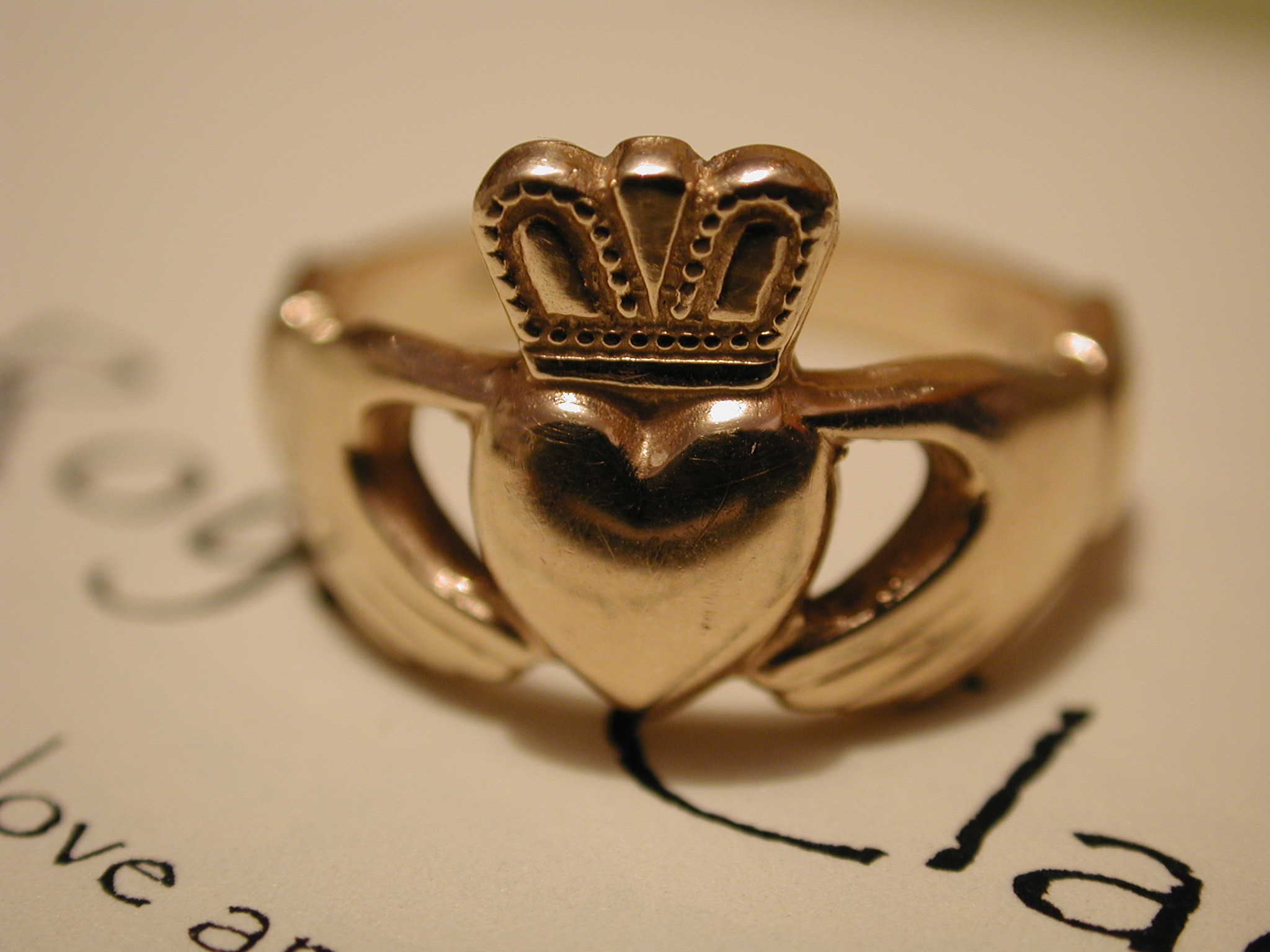
At its core, the Claddagh ring is a traditional Irish token that represents three specific values: love, loyalty, and friendship. It is instantly recognizable by its unique design featuring two hands cradling a heart, which is topped with a regal crown.
The reason this small band of metal has stayed relevant for centuries isn’t just because of its aesthetic. It’s because it captures the three pillars of any lasting human connection. Whether it’s passed down from a grandmother to a granddaughter or exchanged between partners, it carries a weight of intentionality that modern, mass-produced jewelry often lacks. In today’s fast-paced fashion world, the Claddagh remains a “slow” symbol, one that tells a story of where you’ve been and who you belong to.
I remember seeing an old, weathered Claddagh ring on my aunt’s hand years ago. The gold was thinning, and the crown was smoothed down by decades of wear. She told me it wasn’t just gold; it was a promise kept through Atlantic storms and long winters. That’s the magic of this ring; it isn’t just an accessory; it’s a piece of a person’s soul.
A Claddagh ring is a silent storyteller that speaks the language of the heart when words aren’t enough.
The Core Meaning of the Claddagh Ring
When someone asks, what does a claddagh ring mean, the answer usually starts with a romantic sentiment, but it actually goes much deeper. The ring acts as a visual “status update” for the wearer’s heart. In Irish culture, it was historically used as a wedding ring, but today, it serves a much broader purpose.
The Claddagh is essentially a “creed” worn on the hand. It suggests that for any relationship to survive, be it a marriage or a lifelong friendship, it must have all three elements of the design. If you have love without loyalty, it’s fragile. If you have friendship without love, it’s hollow. The ring serves as a constant reminder to the wearer to uphold these values in their daily interactions.
In modern times, it has also become a badge of identity. For the Irish diaspora scattered across the US, Canada, and Australia, wearing the ring is a way to stay tethered to the “Old Country.” It’s a piece of home you can take anywhere.
The Three Pillars: Claddagh Ring Symbolism
When you look closely at the design, you’ll notice it is perfectly balanced. Each element isn’t there by accident; they are the “ingredients” of a successful relationship. Understanding claddagh ring symbolism requires looking at the three distinct parts of the design:
The Hands: Friendship
The two hands wrapping around the heart represent friendship (cairdeas). This is the foundation of the ring. In the Irish tradition, you cannot have true love without a solid baseline of companionship. The hands are shown holding the heart gently but firmly, suggesting support and trust.
The Heart: Love
Centrally located, the heart represents love (grá). It is the focal point of the piece. Unlike a standard heart pendant, the heart on a Claddagh is nestled between the hands, signifying that love is something to be protected and nurtured by the people involved.
The Crown: Loyalty
The crown sitting atop the heart symbolizes loyalty (dílseacht). It’s a reminder that love and friendship are fleeting without the commitment to stay true. Historically, it also gave the ring a “regally” recognized status, making it a popular choice for wedding bands in Ireland for generations.
| Feature | Represents | Life Application |
| Hands | Friendship | Mutual trust and support |
| Heart | Love | Emotional bond and passion |
| Crown | Loyalty | Commitment and fidelity |
The Romantic History of the Claddagh Ring
The history of the claddagh ring origins is shrouded in a mix of historical record and folklore. The most widely accepted story centers on a man named Richard Joyce, a native of the village of Claddagh on the outskirts of Galway.
Legend has it that in the late 17th century, Joyce was captured by Algerian pirates while en route to the West Indies. He was sold into slavery to a Moorish goldsmith who taught him the craft. During his years in captivity, Joyce never forgot his sweetheart back home in Ireland. To keep his hope alive, he forged a ring out of scraps of gold he stole from his master over the years.
In 1689, when William III negotiated the release of British subjects, Joyce was freed. His master was so impressed by his skill that he offered him half his fortune and his daughter’s hand in marriage if he would stay. Joyce refused. He returned to Galway, found that his true love had waited for him, and presented her with the first Claddagh ring.
Whether the story is 100% factual or a bit of romantic embellishment doesn’t really matter. The essence remains: the ring was born from a refusal to give up on love and a deep-seated loyalty to one’s roots. This historical weight is why the Claddagh Ring remains a staple in jewelry boxes centuries later.
The Secret Language: How to Wear a Claddagh Ring
One of the most fascinating aspects of this jewelry is that it acts as a relationship status indicator. Depending on which hand you place it on and which direction the heart points, you are telling the world exactly where your heart lies. Knowing how to wear a claddagh ring is essential if you want to follow tradition correctly.
On the Right Hand
- Heart pointing out (toward the fingernail): This means you are single. Your heart is “open” to the world.
- Heart pointing in (toward the wrist): This suggests you are in a relationship or that “someone has captured your heart.”
On the Left Hand
- Heart pointing out: This traditionally signifies an engagement. The commitment is deep, but the final vows haven’t been made.
- Heart pointing in: This is the ultimate sign of marriage. The heart is turned toward the wearer’s own heart, symbolizing a permanent bond.
The Irish Friendship Ring: More Than Just Romance
While often associated with couples, the Claddagh is frequently exchanged as an Irish friendship ring. In Ireland, it is common for mothers to pass their rings down to daughters, or for best friends to wear matching silver versions.
When used as a friendship token, the “rules” of wearing it are usually relaxed. It becomes a symbol of “soul-friendship”, what the Celts called Anam Cara. It says, “I see you, I support you, and I am loyal to you,” without the pressure of a romantic commitment.
Frequently Asked Questions
What does a claddagh ring mean if given by a parent?
When given by a parent, it symbolizes the protective love and lifelong loyalty of the family. It is often seen as a “rite of passage” or a connection to Irish roots.
Can men wear Claddagh rings?
Yes, absolutely. Men’s Claddagh rings are usually wider and heavier, but they carry the same symbolism of love, loyalty, and friendship.
Which finger do you wear a Claddagh ring on?
Traditionally, it is worn on the ring finger of either the right or left hand, depending on your relationship status.
Is the Claddagh ring a religious symbol?
While it originated in a very religious country, the ring itself is cultural and emotional rather than strictly religious. It represents human bonds.
How do I know if a Claddagh ring is authentic?
Look for a hallmark, especially if it’s from Ireland. Authentic Irish-made rings will often have a stamp from the Assay Office in Dublin Castle.
Conclusion
Ultimately, when you ask what a claddagh ring means, the answer isn’t just “love.” It’s a promise. It’s a reminder that for any bond to last, whether it’s with a partner, a friend, or even yourself, it must be built on the steady hands of friendship and protected by the crown of loyalty.
Whether you’re wearing it to honor your Irish ancestors or as a modern fashion statement, the Claddagh remains a beautiful, timeless way to wear your heart on your sleeve, or rather, your finger. It is a bridge between the past and the present, proving that some values never go out of style.