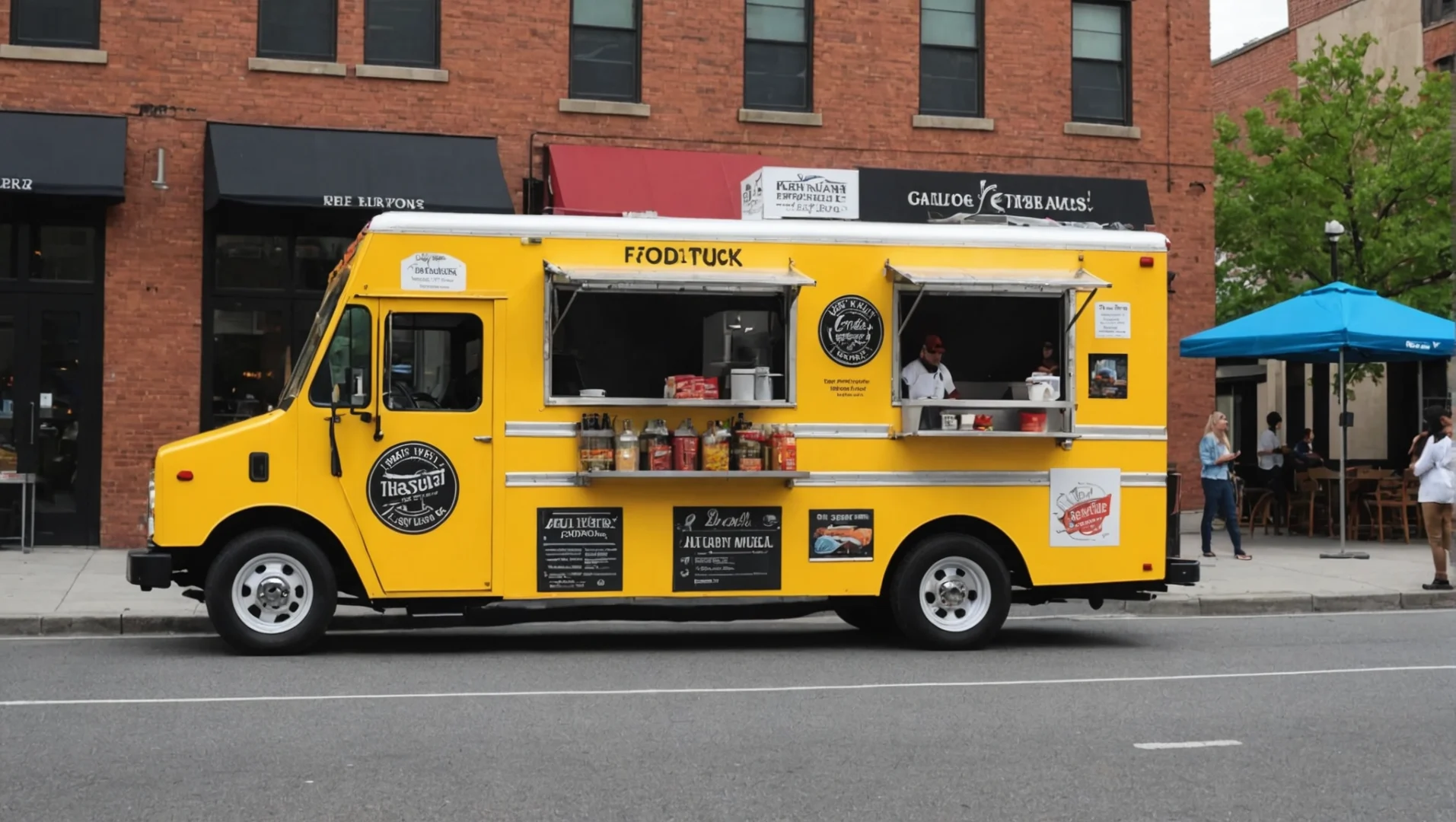
Building Your Mobile Food Truck Business the Right Way
A mobile food truck can turn a passion for cooking into a flexible business without many of the overheads associated with opening a traditional restaurant. However, running a successful truck involves considerably more than developing a menu and finding somewhere to park.
From managing costs to building a recognizable brand, owners should treat a food truck as a serious business from the start. Getting the fundamentals right can create a stronger foundation for sustainable growth.
Build a Realistic Business Plan
A good idea needs numbers to back it up. Before purchasing a truck or investing heavily in equipment, calculate your likely startup and ongoing expenses. These may include the vehicle, cooking equipment, ingredients, fuel, licenses, permits, payment processing, maintenance, marketing, and staffing.
Your business plan should also identify your target customers and the locations where you are most likely to find them. An office district might generate strong lunchtime trade, while festivals and private events could provide larger individual opportunities. Planning does not eliminate uncertainty, but it makes unexpected costs easier to manage.
Protect the Business from Everyday Risks
Serving customers from a mobile kitchen creates risks you should consider before the first order leaves the window. A customer could be injured near your truck, property could be accidentally damaged during an event, or an allegation could lead to an expensive claim.
Appropriate small business general liability insurance can form part of a broader approach to managing these risks. Food truck owners may also need other types of coverage depending on their vehicles, employees, equipment, location, and operations. Insurance should sit alongside practical risk management. Properly maintaining equipment, training staff, following food safety requirements, and keeping accurate records can all help protect the operation.
Keep Your Menu Focused
It is tempting to offer customers as much choice as possible, but an enormous menu can create unnecessary complexity. More dishes usually mean more ingredients, more storage needs, longer prep times, and greater potential for food waste. A smaller menu built around a recognizable concept can make operations more efficient. It can also strengthen your brand. Customers should quickly understand what your truck specializes in and why they should choose it over another option. You can still introduce seasonal specials or test new dishes without permanently expanding the core menu.
Choose Locations Strategically
Mobility is one of the greatest advantages of a food truck, but moving around without a strategy can make revenue unpredictable. Track sales at different locations and events. Over time, this information can reveal which areas, days, and hours are most profitable. Social media can then help customers find you.
Research local rules before trading somewhere new. Requirements concerning permits, parking, vending, and food service can differ considerably between jurisdictions.
Create Systems That Support Growth
Successful small businesses become easier to manage when routine tasks follow consistent processes. Create systems for ordering ingredients, checking inventory, opening and closing the truck, cleaning equipment, managing cash, and recording sales. These processes become particularly important when you hire employees or add another vehicle.
A food truck may be small and mobile, but you should never manage it casually. Careful financial planning, sensible risk management, consistent branding, and efficient daily systems can turn a promising concept into a business with genuine staying power.