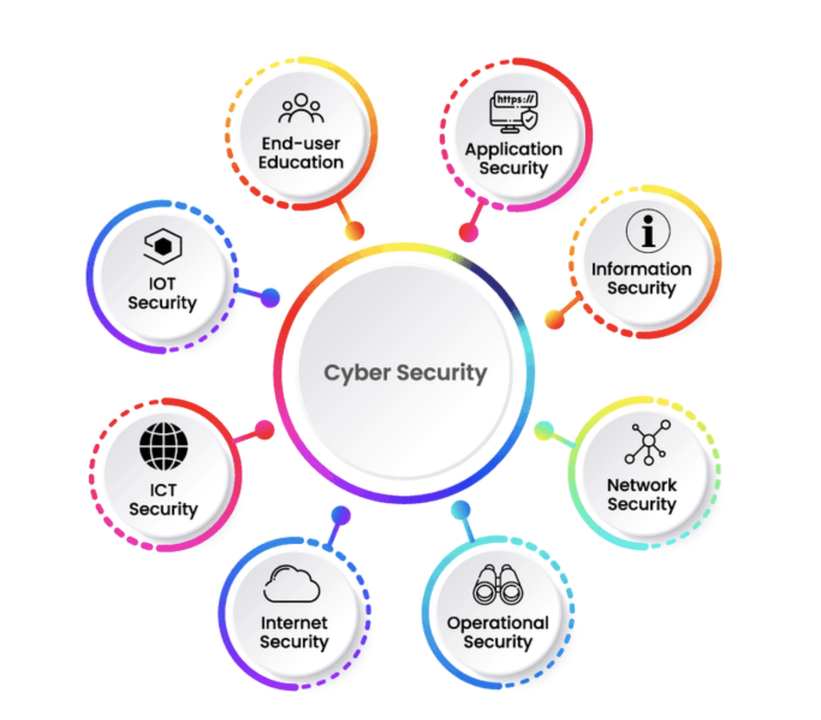
Why Strong Network Security Is Essential for Modern Project Management
Modern project management depends heavily on digital connectivity. Teams use cloud platforms, video conferencing, shared documents, project management software, and other online services to coordinate work and meet deadlines. While these tools can improve efficiency, they also increase the number of potential entry points for cyber threats.
Network security should consequently be considered part of effective project planning rather than solely an IT responsibility. A security incident can interrupt communication, compromise sensitive information, delay milestones, and create unexpected costs. Building appropriate protections into a project from the beginning can help teams reduce these risks.
Project Teams Handle Valuable Information
Projects often involve information that should not be publicly accessible. Depending on the organization, this could include budgets, contracts, customer information, product plans, employee records, intellectual property, and login credentials. The risk can increase when teams include remote employees, external contractors, suppliers, and other third parties. Each additional user or connection can introduce another potential vulnerability.
Project managers do not need to become cybersecurity specialists, but they should understand what information their teams handle, who needs access to it, and how it is protected.
Firewalls Provide an Important Security Layer
Firewalls help organizations control traffic entering and leaving their networks. Modern solutions can offer capabilities that extend beyond basic traffic filtering, including intrusion prevention, application controls, and protection against various network threats. Businesses considering Firewalls from WatchGuard Online can assess how firewall protection fits within their wider approach to securing project systems and business infrastructure.
A firewall should not be viewed as the only defense an organization needs. Instead, it can work alongside endpoint protection, access controls, multifactor authentication, backups, software updates, and employee security awareness.
Security Helps Protect Project Continuity
Cybersecurity and project continuity are closely connected. If ransomware, malware, or unauthorized access makes critical systems unavailable, project teams may be unable to complete routine tasks. Even relatively short periods of downtime can cause problems when a project has strict deadlines or dependencies. One delayed task can affect several other activities, particularly when teams are working across different departments or organizations.
Including cybersecurity risks within project risk assessments allows managers to plan for these possibilities. Contingency arrangements might include secure backups, alternative communication methods, incident response procedures, and clearly assigned responsibilities.
Access Should Match Project Responsibilities
Not every team member needs access to every system or file. Providing access according to job responsibilities can reduce unnecessary exposure. Permissions should also be reviewed as the project develops. Someone who moves to another team or finishes a contract may no longer require access to project resources. Regular reviews help prevent old accounts and excessive privileges from becoming avoidable security weaknesses.
Make Security Part of Project Governance
Strong network security is most effective when it is integrated into normal project governance. Security requirements can be considered during planning, included in risk registers, reviewed at important milestones, and addressed during the handover to operational teams. This approach also encourages clearer ownership. Instead of discovering security gaps shortly before launch, project managers, IT teams, and other stakeholders can identify responsibilities earlier in the project lifecycle.
Modern projects depend on connected technology to function efficiently. Treating network security as a core project consideration helps organizations protect sensitive information, maintain continuity, and deliver projects with fewer preventable disruptions.