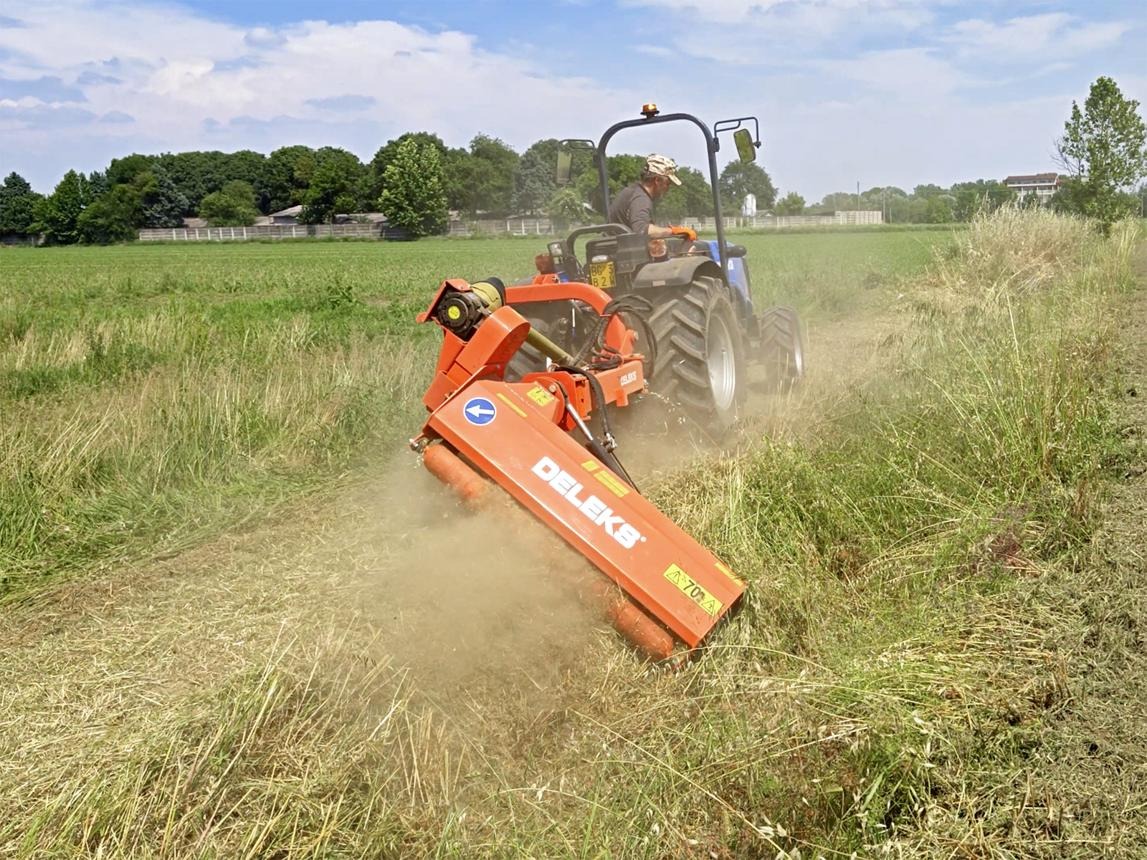
How to Match Flail Mower Blades to Different Vegetation
Flail mowers can be used to cut everything from grass and weeds to dense brush and light woody growth, but these materials do not place the same demands on the machine. Softer vegetation may require a different cutting approach than tough, fibrous, or abrasive material. Choosing a blade based only on its size or your mower model can therefore lead to poor results or unnecessary wear. A better starting point is to consider what you cut most often and then match the blade’s characteristics to those working conditions.
1. Start With the Type of Vegetation You Need to Cut
The first thing to consider is what you cut most often. Grass is relatively soft, so cutting efficiency and the finish left behind may be more important than maximum impact resistance. Tall weeds are denser and can place more continuous load on the rotor, especially when the vegetation is wet or heavily overgrown.
Choosing flail mower blades based on your typical vegetation can help you avoid using a blade configuration that is poorly suited to the job. When cutting brush, impact resistance and durability become more important because stems and thicker growth create harder contact. Woody vegetation places even greater demands on blade strength, weight, and the mower’s available power.
If your work involves mixed vegetation, you need a more balanced setup. A blade that handles grass efficiently but also has enough strength for occasional brush can be more practical than choosing a blade designed only for the heaviest material.
2. Match Blade Characteristics to the Material
Once you know what type of vegetation you usually cut, look at the blade characteristics that affect how it handles that material.
- Blade weight: Heavier blades can deliver more impact when cutting through thicker stems and tougher vegetation. However, they also place more load on the rotor, so the blade weight should match the mower’s power and operating conditions.
- Blade thickness and shape: Thicker, more robust blades can handle repeated impacts better in demanding applications. Blade shape also affects how vegetation enters the cutting area and how cutting force is transferred to the material.
- Material and heat treatment: These factors become more important when you regularly cut dense or abrasive vegetation. Suitable steel and heat treatment can improve wear resistance and help the blade maintain its shape during repeated use.
- Mounting configuration: Check the hole diameter, mounting arrangement, and overall dimensions before choosing a blade. Even a blade with the right strength for your vegetation will not be suitable if it does not fit the mower’s rotor correctly.
3. Consider the Working Conditions, Not Just the Vegetation
Vegetation type is only one part of the decision. The same grass or brush can place very different demands on a blade depending on where and how you mow.
- Rocky or abrasive ground: Stones and abrasive soil can wear the blade faster, especially when the mower works close to the ground. Greater wear resistance may be more important than cutting speed in these conditions.
- Wet or muddy conditions: Wet vegetation is heavier and can be harder to clear from the cutting area. If you regularly mow in damp conditions, consider how the blade and rotor setup handle the additional load.
- Uneven terrain and hidden debris: Uneven ground increases the chance of the blades contacting stones, branches, or other objects. If this is common in your work, blade durability and impact resistance become more important.
- Mowing speed and cutting height: Operating speed and cutting height also affect the load on the blades. Faster mowing or frequent ground contact can increase wear, so your blade choice should reflect how the mower is actually used.
4. Check Your Mower Before Choosing a Blade
Even if a blade is suitable for the vegetation you cut, it may not be suitable for your mower. Before ordering replacements, check the specifications of your existing setup and the mower itself.
- Mower model and rotor configuration: Make sure the blade is designed for your mower and the way its rotor is arranged.
- Blade dimensions: Check the length, width, and thickness against the original blade.
- Mounting hole and hardware: The hole diameter and mounting arrangement must match the existing holder or bolt system.
- Blade weight: A significant difference in weight can affect rotor balance and operating load.
- Power requirements: Make sure the mower has enough available horsepower for the blade configuration you plan to use.
- Existing blade specifications: If possible, use the dimensions and specifications of your current blades as a reference when selecting replacements.
Checking these details first can prevent a blade that fits the vegetation from becoming a poor match for the mower.
5. When One Blade Type Is Used for Multiple Conditions
Many users do not mow just one type of vegetation. If your work mainly involves grass and weeds with occasional brush, a more versatile blade configuration may be practical for everyday use.
You do not necessarily need the heaviest blade just because you sometimes encounter tougher material. A heavier setup can place additional load on the rotor and mower, so choosing for an occasional task may not make sense if most of your work is lighter.
If woody vegetation is a regular part of your workload, however, you should reassess the blade specifications together with your mower’s capacity. The goal is to choose a setup that matches your main working conditions, while still providing enough durability for the tougher material you regularly encounter.
6. Check Replacement Blade Specifications Before Ordering
Before placing an order, compare the replacement blade with the specifications required by your mower. A quick check can help you avoid ordering a blade that looks suitable but does not fit your setup.
- Length, width, and thickness: Compare the dimensions with your existing blade.
- Mounting hole diameter: Make sure the hole matches the holder and mounting hardware.
- Blade weight: Check that the replacement does not create an unsuitable difference in rotor balance or load.
- Material and heat treatment: Consider whether they are appropriate for the vegetation and working conditions.
- Mower and rotor compatibility: Confirm that the blade is intended for your specific configuration.
If you need to compare different replacement configurations, jyfmachinery.com provides flail mower hammer blade specifications that can serve as a reference when checking dimensions, materials, and mounting requirements.
Conclusion
The right blade is the one that fits both the material being cut and the machine doing the work. Start with the vegetation you handle most often, then consider your working conditions and mower specifications. Taking these factors together helps you choose a blade that fits your equipment and the work you actually need to do.