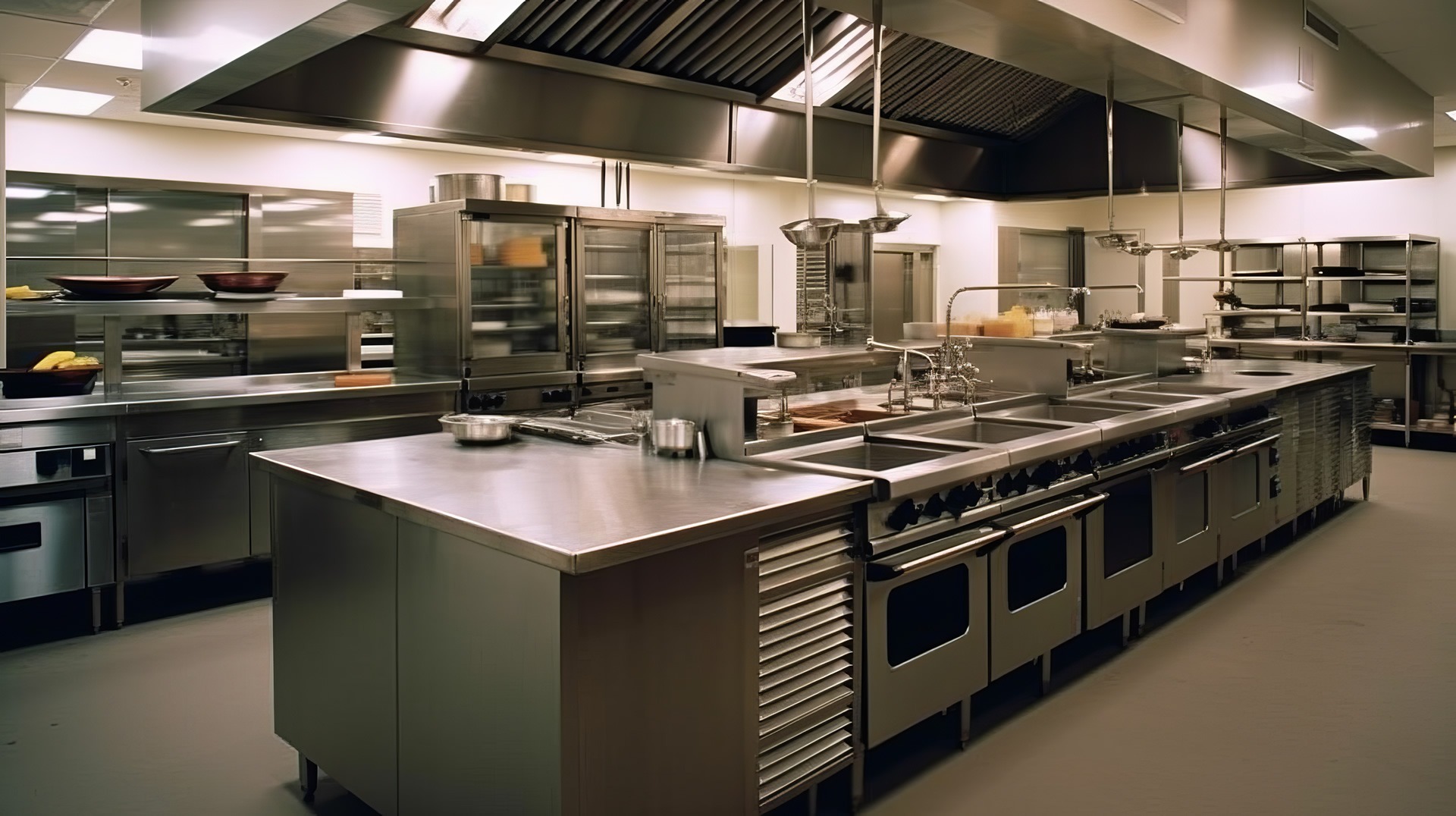
Equipment Suppliers Shrewsbury: Creating Efficient, Commercial Kitchens
Introduction
A successful commercial kitchen needs more than quality ingredients and talented chefs. The right catering equipment, thoughtful kitchen design and reliable installation all play an important role in helping a food business operate smoothly. Whether you manage a busy restaurant, hotel, pub, school kitchen or care home, choosing suitable equipment can improve productivity, food preparation and the overall working environment.
For businesses looking for dependable Catering Equipment Suppliers Shrewsbury, finding a supplier that understands the demands of professional kitchens is an important first step. From cooking appliances and refrigeration to stainless steel workstations and ventilation systems, the right supplier can help turn an empty space or outdated kitchen into a practical, well-organised catering facility.
This guide explores the importance of commercial catering equipment, how to choose the right solutions and why professional design and installation can make a difference to your business.
Understanding the Role of Commercial Catering Equipment
Commercial kitchens are designed to handle much greater workloads than domestic kitchens. Restaurants may need to prepare hundreds of meals during a busy service, while hotels, schools and care homes often work around fixed meal schedules and large numbers of customers or residents.
This is why professional catering equipment must be selected with durability, performance and ease of use in mind. A domestic oven or refrigerator may be suitable for occasional home cooking, but it may not provide the capacity or reliability needed for continuous commercial use.
Professional catering equipment helps businesses manage essential tasks such as:
- Preparing ingredients efficiently.
- Cooking large quantities of food.
- Storing fresh and frozen ingredients safely.
- Cleaning utensils and cookware quickly.
- Maintaining an organised and hygienic workspace.
- Supporting a consistent food preparation process.
A well-equipped kitchen can also help staff work more comfortably. When appliances, preparation areas and storage facilities are arranged correctly, employees can spend less time moving between workstations and more time focusing on food quality and customer service.
Choosing Catering Equipment Suppliers Shrewsbury for Your Business
Every commercial kitchen has different requirements. A small café may need compact cooking appliances and under-counter refrigeration, while a hotel or large restaurant may require a complete cooking line, industrial dishwashers, extraction systems and extensive stainless steel furniture.
For this reason, selecting a supplier should involve more than comparing equipment prices. A reliable supplier should understand your kitchen layout, expected workload, available space and future business plans.
Equipment Should Match Your Kitchen’s Needs
Before purchasing anything, consider the type of food you prepare and how your kitchen operates. A bakery, for example, may prioritise ovens and preparation benches, whereas a busy pub kitchen may need versatile cooking appliances, refrigeration and efficient cleaning equipment.
A supplier with experience across different hospitality and public-sector environments can help identify practical solutions rather than recommending the same equipment for every business.
Planning for Future Growth
Your equipment should support your business as it develops. If you expect to increase your customer numbers, expand your menu or introduce additional services, choosing equipment with suitable capacity can prevent unnecessary replacement costs later.
Professional advice can help you balance your current budget with the long-term needs of your kitchen.
A Complete Range of Catering Equipment
One of the biggest advantages of working with an experienced catering equipment supplier is access to a broad selection of commercial kitchen products. Instead of sourcing every item from a different company, businesses can explore multiple solutions through one supplier.
Here are some of the key equipment categories to consider.
1. Commercial Cooking Appliances
Cooking equipment is at the heart of every professional kitchen. The right appliances can improve preparation speed, cooking consistency and the ability to manage busy service periods.
Common commercial cooking appliances include:
- Ovens for baking, roasting and general cooking.
- Microwaves for reheating and quick preparation.
- Steamers for cooking vegetables, fish and other ingredients.
- Other professional cooking appliances suited to the kitchen’s menu.
The best equipment depends on your food production requirements. A restaurant serving a varied menu may need flexible cooking options, while a school or care home kitchen may benefit from appliances designed for high-volume meal preparation.
2. Commercial Refrigeration
Reliable refrigeration is essential for businesses that store fresh ingredients, dairy products, meat, vegetables and prepared food.
Commercial refrigeration options can include large upright units, under-counter fridges and other storage solutions designed for professional kitchens.
When choosing refrigeration, consider:
- Available storage capacity.
- Kitchen floor space.
- Accessibility for staff.
- Temperature management requirements.
- Ease of cleaning and maintenance.
A well-planned refrigeration area can make ingredient storage more organised and help staff access supplies without disrupting food preparation.
3. Professional Dishwashers
Cleaning plates, cookware and utensils is a major part of daily kitchen operations. In a busy restaurant or hotel, manual washing can consume valuable staff time and slow down service.
Commercial dishwashers are designed to handle larger workloads than typical domestic machines. Depending on the kitchen, suitable options may include equipment designed for frequent washing and high-volume use.
When selecting a dishwasher, consider the number of meals served, available space, washing requirements and the type of items that need cleaning.
4. Stainless Steel Kitchen Furniture
Stainless steel is widely used in professional kitchens because it offers a practical surface for food preparation and is relatively easy to clean when properly maintained.
Catering equipment suppliers can provide a range of stainless steel products, including:
- Preparation workstations.
- Sinks and washing areas.
- Stainless steel tables.
- Storage cupboards.
- Other kitchen furniture and accessories.
Good-quality stainless steel furniture helps create a structured workspace. Workstations can be positioned near cooking equipment, sinks and storage areas to support a smoother workflow.
5. Ventilation and Extraction Systems
Kitchen ventilation is an important consideration when designing or upgrading a commercial catering facility. Cooking produces heat, steam, smoke and airborne grease, making suitable extraction essential for a comfortable working environment.
Professional kitchen ventilation and extraction systems can help manage these conditions and support the kitchen’s operational requirements.
A suitable ventilation design should take into account:
- The type of cooking equipment being used.
- The size and layout of the kitchen.
- Airflow requirements.
- Cleaning and maintenance access.
- Applicable building and safety requirements.
Businesses should work with qualified professionals to ensure that ventilation and extraction systems are designed and installed appropriately for their premises.
Commercial Kitchen Design and Installation in Shrewsbury
Buying good equipment is only one part of creating a successful commercial kitchen. The way equipment is positioned and installed can have a direct effect on daily operations.
An experienced catering equipment supplier can assist with kitchen design and installation, helping businesses make the most of their available space.
Designing a Kitchen Around Your Workflow
A professional kitchen should be designed around the movement of people, ingredients and equipment. For example, refrigeration may be positioned close to preparation areas, while cooking appliances can be arranged to support an efficient service line.
The design process may consider:
- The available floor space and room dimensions.
- The type of food prepared.
- The number of staff using the kitchen.
- Equipment capacity and placement.
- Cleaning and storage requirements.
- Ventilation and extraction needs.
There is no universal kitchen layout that works for every business. A small café, care home and large hotel kitchen all have different operational demands.
New Kitchen Projects and Refurbishments
Catering equipment suppliers Shrewsbury can support businesses working on different types of projects. This may include setting up a new catering premises, upgrading an existing kitchen or designing a commercial kitchen for a new property.
A refurbishment may involve replacing outdated appliances, improving storage, installing new stainless steel furniture or updating ventilation systems.
For a new kitchen, the planning process can include equipment selection, layout design, installation coordination and advice on using the completed facility.
Why Professional Installation Matters
Commercial catering equipment needs to be installed correctly to support safe and efficient operation. Incorrect positioning, unsuitable connections or poor installation planning can create unnecessary problems for kitchen staff.
Professional installation helps ensure that equipment is set up according to the manufacturer’s requirements and the needs of the premises.
For example, refrigeration units need appropriate positioning and ventilation where required, while cooking appliances and extraction systems may need specialist installation.
A supplier offering installation services can also help coordinate the process, reducing the need for businesses to manage multiple contractors independently.
Staff Training and Equipment Familiarity
New equipment is only useful when staff know how to operate it correctly. Some commercial appliances may have different controls, settings or cleaning procedures compared with equipment employees have used before.
Where necessary, a catering equipment supplier may provide guidance or staff support to help the kitchen team become familiar with newly installed appliances.
This can improve confidence, reduce avoidable operating mistakes and help employees make better use of the equipment.
Catering Equipment Suppliers Shropshire: Supporting Different Industries
Commercial catering equipment is used across a wide range of sectors. Each industry has its own priorities, but all require practical equipment and dependable kitchen facilities.
Restaurants, Hotels and Pubs
Hospitality businesses often need equipment that supports fast service and consistent food preparation. Restaurants may require versatile cooking appliances, while hotels and pubs may need a combination of refrigeration, dishwashing and preparation facilities.
Schools and Educational Facilities
School kitchens often prepare meals for large numbers of pupils within scheduled service periods. Equipment selection should therefore consider capacity, ease of cleaning and the daily demands of the catering team.
Care Homes and Health Clubs
Care homes and health clubs may have specific meal preparation requirements. Reliable refrigeration, suitable cooking appliances and organised preparation areas can help staff manage food service more effectively.
Catering Equipment Suppliers Shropshire can help businesses and organisations in these sectors explore equipment solutions that fit their operational needs.
Benefits of Working with an Experienced Catering Equipment Supplier
Choosing the right supplier can provide several practical benefits beyond simply purchasing appliances.
1. Better Equipment Selection
Professional advice helps businesses identify products suited to their menu, kitchen size and workload. This reduces the risk of buying equipment that is unsuitable for the intended purpose.
2. Improved Kitchen Organisation
A well-designed kitchen can make it easier for staff to move between preparation, cooking, cleaning and storage areas. Better organisation may contribute to smoother daily operations.
3. Support for Commercial Kitchen Projects
Whether you are starting a new business or upgrading an existing facility, a supplier with design and installation experience can assist with the planning process.
4. Access to Established Equipment Brands
Working with a supplier that sources equipment from recognised industry brands gives businesses more options when comparing products and features.
5. Practical Installation Assistance
Professional installation can help ensure that equipment is positioned and set up correctly, allowing the kitchen team to begin using the facility with greater confidence.
How to Select the Right Catering Equipment Supplier
Before committing to a supplier, ask a few important questions.
Does the supplier understand your industry? A supplier with experience in restaurants, hotels, schools and other commercial environments may be better equipped to understand your needs.
Can they help with kitchen design? Design support is valuable when working with limited space or planning a complete kitchen installation.
Do they offer installation services? Having supply and installation handled by one experienced team can simplify the project.
Can they provide equipment from trusted brands? Product quality, availability and after-sales support should all be considered.
Do they offer guidance on using the equipment? Staff support and practical advice can help your business get the most from its investment.
Taking time to compare suppliers can help you make a more informed decision and avoid unnecessary expenses.
Conclusion
A professional commercial kitchen requires the right combination of equipment, planning and installation. From cooking appliances and refrigeration to stainless steel furniture, dishwashers and ventilation systems, every component contributes to the way a kitchen operates.
For businesses searching for Catering Equipment Suppliers Shrewsbury, choosing an experienced supplier can make the process of building or upgrading a kitchen much easier. Professional advice can help identify suitable products, improve the use of available space and support the installation of a practical catering facility.
Whether you manage a restaurant, hotel, pub, school, care home or another food service business, investing in suitable commercial catering equipment can help create a more organised and productive working environment.
If you are planning a new kitchen or considering an upgrade, speak to a trusted catering equipment supplier in Shrewsbury to discuss your requirements, explore available options and find solutions that support your business for years to come.